the allure of Cool-Climate Wines
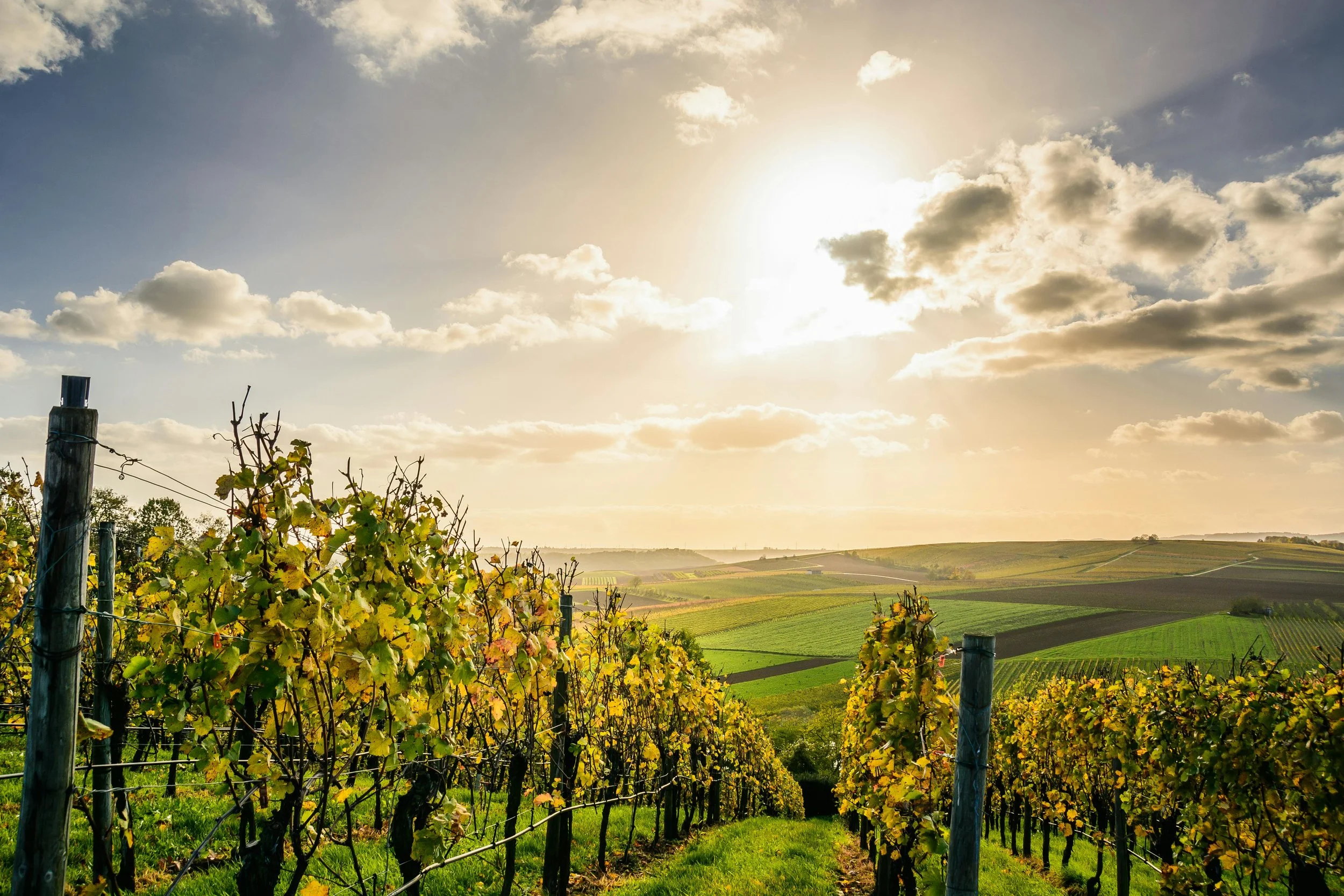
Lauffen am Neckar, BW, Germany
The Appeal of Cool-Climate Wines
For WIWE, it is only natural to explore Central Europe’s cool-climate wine regions — to understand the terroir, the grape varieties, and the unique winemaking approaches that define them. These regions are as much about culture and landscape as they are about wine. Steep terraces, alpine slopes, and riverside vineyards create breathtaking settings where winemaking is both a challenge and a craft. Wine here is shaped by environment, altitude, and season — a true reflection of place.
Germany: Riesling and Beyond
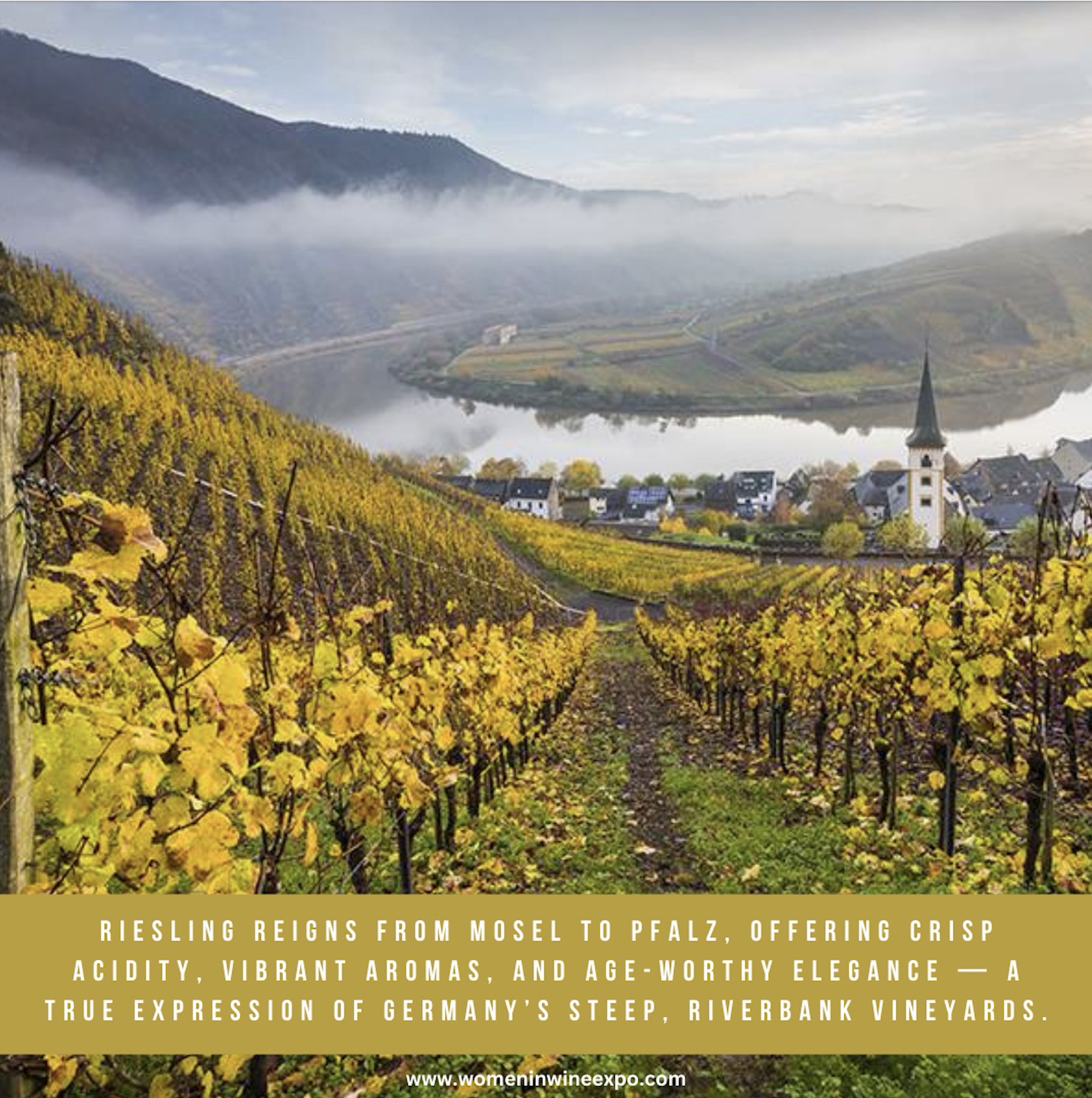
Germany’s cool-climate vineyards are defined by steep slopes, rivers, and a mosaic of soils that give wines an unmistakable sense of place. Riesling reigns supreme, particularly in the Mosel, Rheingau, Nahe, and Pfalz regions. Its naturally high acidity, expressive aromatics, and minerality make it one of the most precise and age-worthy white wines in the world. Styles range from crisp, dry wines to lush, sweet Kabinett, Spätlese, and Auslese expressions.
Beyond Riesling, Germany also produces elegant Silvaner, Pinot Blanc (Weißburgunder), Pinot Gris (Grauburgunder), and Pinot Noir (Spätburgunder). Silvaner often delivers earthy, understated whites, while German Pinot Noir is gaining international attention for its delicate red fruit, floral notes, and soft tannins, particularly from Baden, Ahr, and Pfalz. Careful vineyard management is essential, from frost protection to selecting the ripest fruit, resulting in wines that are expressive, balanced, and deeply reflective of their terroir.
Austria: Alpine Elegance and Signature Grapes
Austria’s vineyards stretch from the Danube Valley and Wachau to alpine slopes in Styria, Burgenland, and Lower Austria. The cooler climate and higher altitudes allow grapes to ripen slowly, producing wines with clarity, freshness, and expressive aromatics.
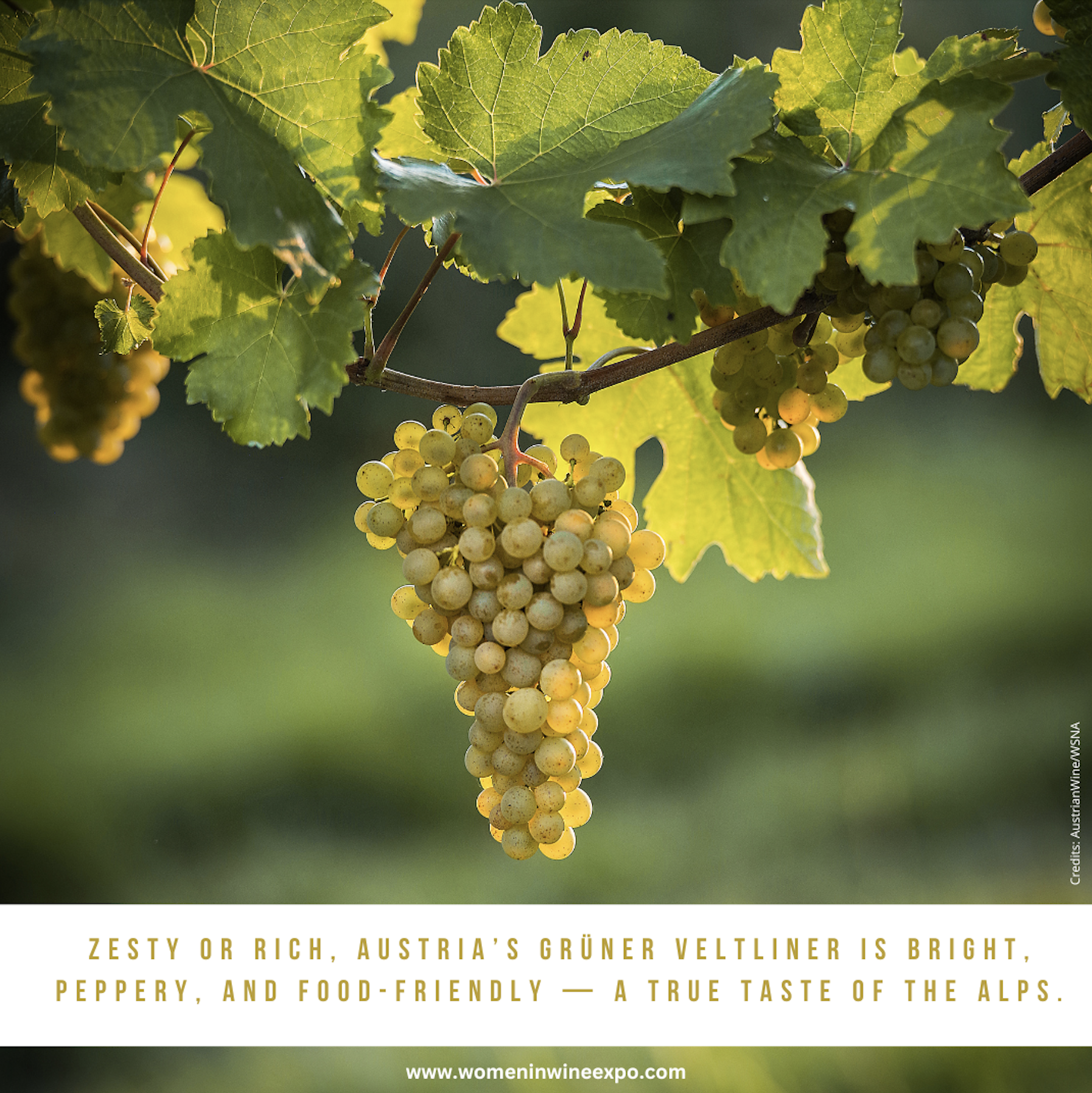
Grüner Veltliner is Austria’s signature white, ranging from zesty, light styles perfect for aperitifs to richer, structured wines capable of aging gracefully. Its bright acidity, subtle peppery spice, and citrus notes make it versatile for food pairing.
Riesling thrives in cooler regions like Wachau and Kamptal, producing wines with vibrant acidity, minerality, and floral aromas, often reflecting stone fruit and citrus flavors.
Among reds, Pinot Noir (Blauburgunder) flourishes at higher altitudes, producing elegant wines with delicate red fruit, floral hints, subtle earthiness, and refined tannins. Zweigelt, Austria’s most widely planted red, is approachable and fruit-forward, with cherry and berry flavors, soft tannins, and lively acidity. Blaufränkisch offers darker, spicier, and more structured reds, showcasing elegance and age-worthiness, particularly from cooler, high-altitude sites.
Austrian winemakers skillfully navigate altitude, temperature shifts, and varied microclimates, crafting wines that reflect both the vineyard and their expertise.
switzerland: hidden gems of the alps
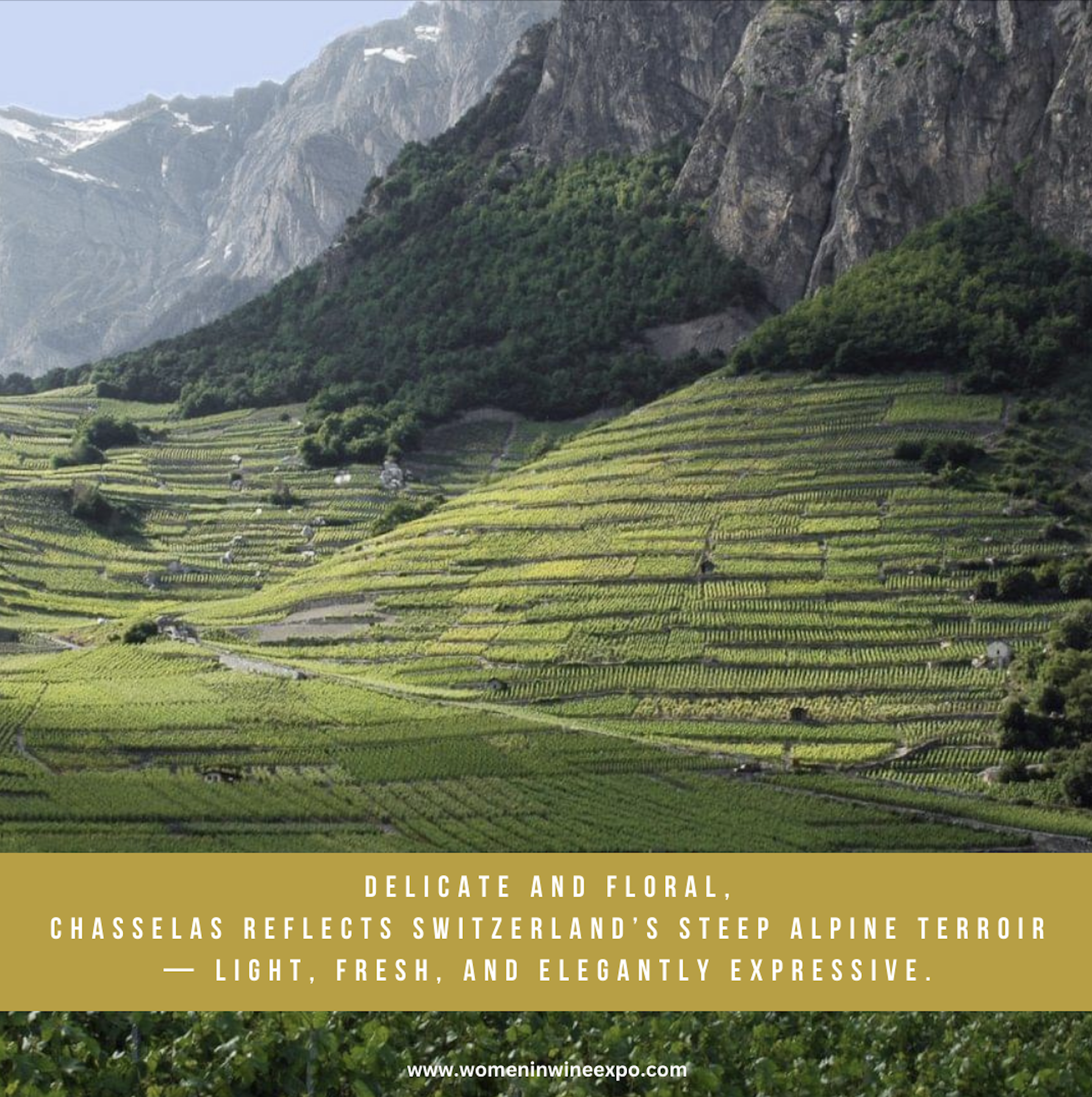
Though smaller in scale, Switzerland’s vineyards deliver wines with unique character, shaped by altitude, steep terraces, and alpine microclimates. Chasselas is the signature white grape, producing elegant, delicate wines with floral notes, subtle stone fruit, and a gentle minerality. It is particularly associated with Lake Geneva and the Valais region.
Swiss reds focus on Pinot Noir, often light in color but expressive in flavor, offering fresh red berries, floral hints, and soft tannins. These wines reflect meticulous vineyard management and the influence of altitude, combining freshness, balance, and elegance.
In Switzerland, cool-climate conditions demand patience and precision. The result is wines that are refined, food-friendly, and deeply expressive of their alpine terroir, offering a unique taste of Switzerland’s landscapes and culture.
Germany: Riesling, Diversity, and Terroir Expression
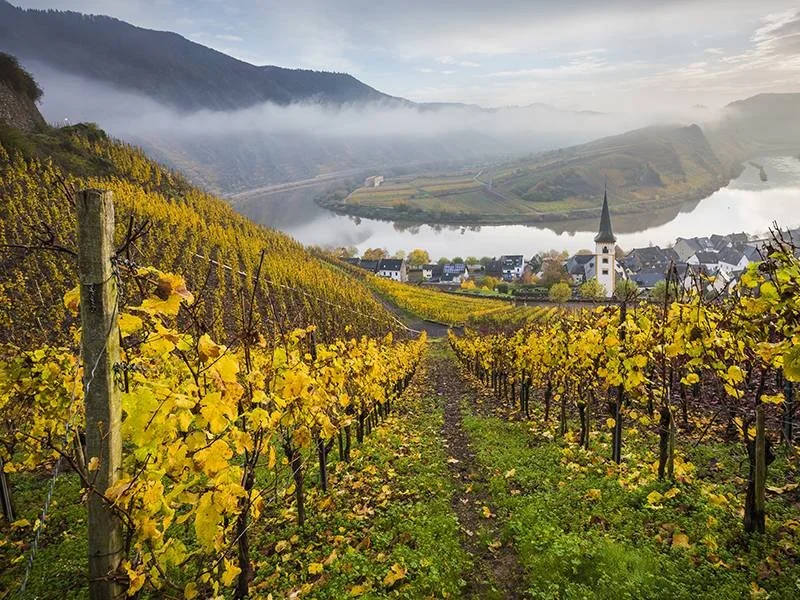
Mosel, Germany, has long been known for producing top-quality Rieslings with complex flavors and bracing acidity, due to the cool climate.
Germany’s cool-climate vineyards are world-renowned for Riesling, yet the country offers a surprising diversity of styles and grapes. The steep, slate-lined terraces of the Mosel Valley produce Rieslings with bright acidity, delicate floral aromatics, and a pronounced mineral character — wines that express the river’s influence and the sun’s reflection on the slate soils. These wines range from bone-dry, precise expressions to luscious, lusciously sweet Kabinett, Spätlese, and Auslese styles, showcasing the grape’s versatility.
The Rheingau and Nahe regions offer a slightly warmer climate, which allows for riper fruit flavors while still preserving the trademark freshness and acidity of Riesling. Here, wines often carry notes of ripe stone fruit, citrus, and honeyed nuances, and can age beautifully for decades.
Beyond Riesling, Germany cultivates varieties such as Silvaner, Pinot Blanc, Pinot Gris (Grauburgunder), and Pinot Noir (Spätburgunder). Silvaner, particularly in Franconia, delivers earthy, understated wines with subtle spice and rounded texture — perfect examples of how terroir shapes flavor. Pinot Noir, gaining increasing attention, produces elegant reds with soft tannins, bright red fruit, and sometimes smoky or earthy undertones, especially from Baden, Pfalz, and Ahr regions.
Germany’s wine culture is deeply connected to its geography and climate. The combination of steep vineyard slopes, rivers, and cooler temperatures encourages meticulous vineyard work and careful grape selection. Each bottle reflects not only the grape variety but also the specific site, the season, and the dedication of the winemaker. For lovers of cool-climate wines, Germany offers both precision and diversity — a landscape where elegance meets expression, and history meets innovation.
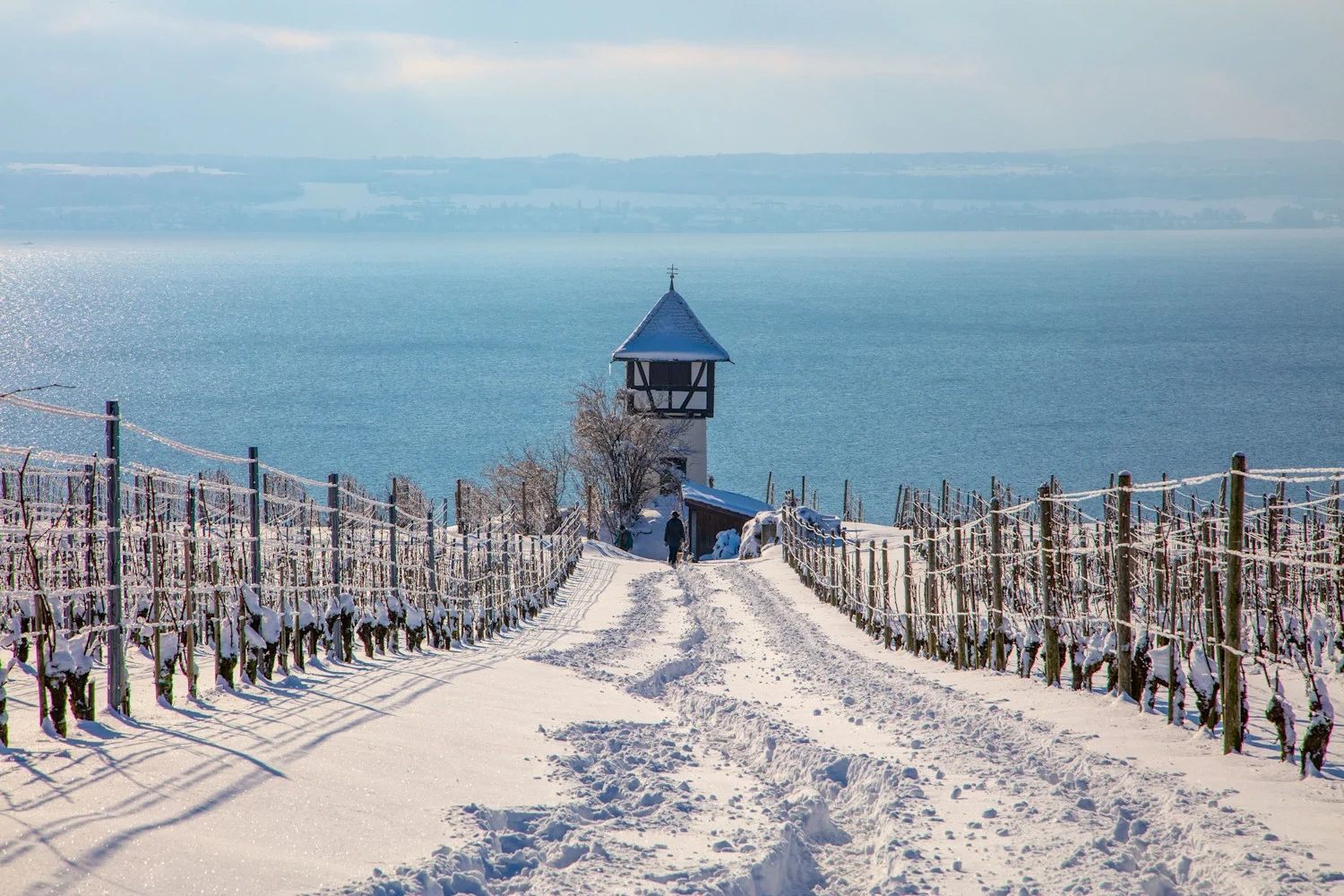
The wintry vineyard landscape on Lake Constance invites you to dream. Photo credits: Achim Mende
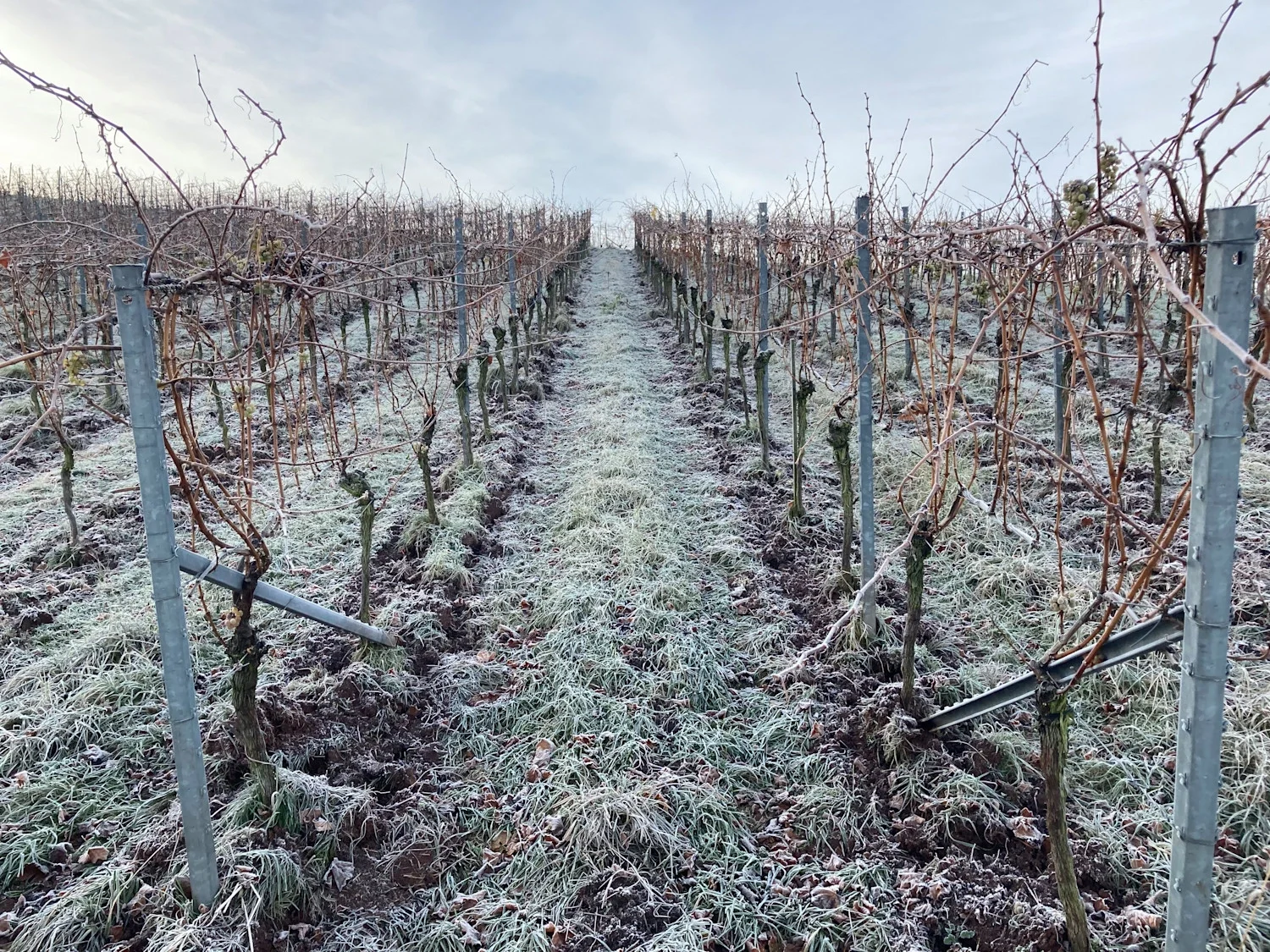
Winter covers the vineyards in a frosty glow. Photo credits: Remstal Tourismus
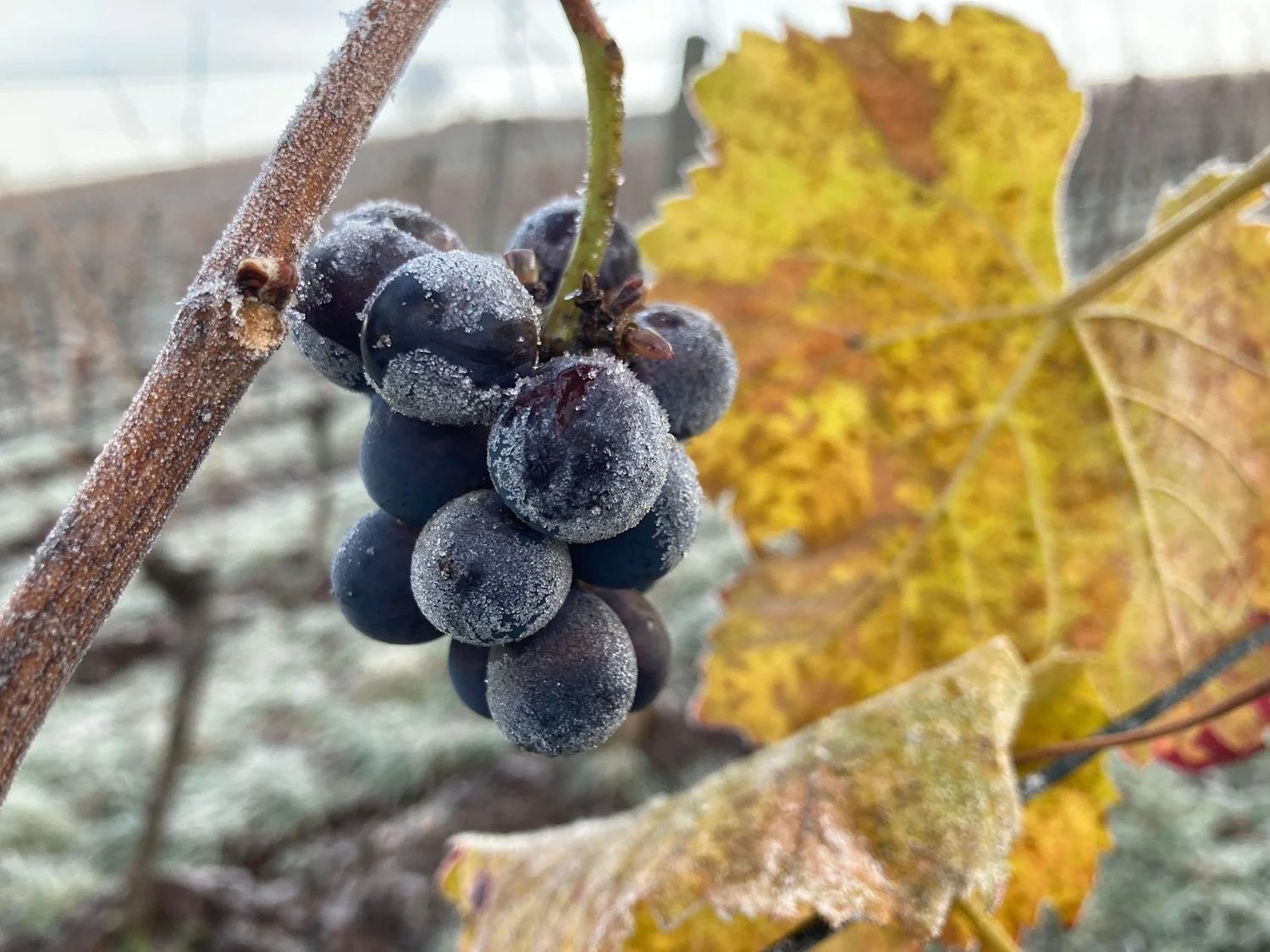
So-called 'winter rollers' often still hang in the vines in winter. Photo credits: Remstal Tourismus