
wine, women & the alpine experience
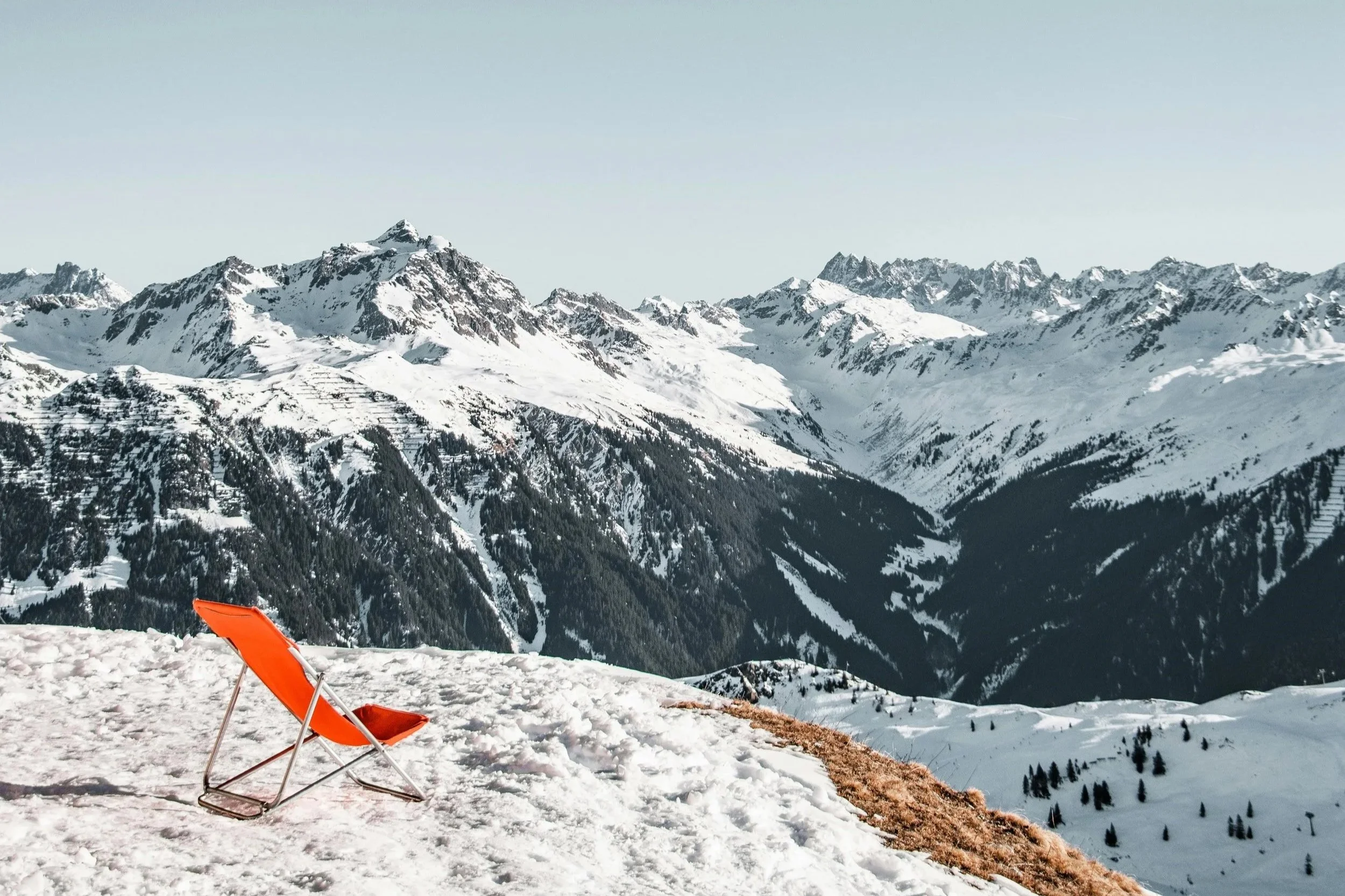
Nothing but this view. Nothing else required.
Ski, Wine, and Alpine Elegance: My Journey to Lech and Zürs
By Senay Ozdemir
Let me say this first: you don’t need much to enjoy the Alps. Literally nothing… not even wine. 🙂 Sometimes, all it takes is fresh mountain air, a quiet moment, and a view that makes you pause. On my recent trip to Lech and Zürs, I discovered that the true magic of the Alps isn’t just in the slopes or the après-ski—it’s in the simplicity, the space to breathe, and the moments that make you feel fully present.
As a fervent ski lover, I’ve explored most of the Alps, yet each country and region has its own character—and this trip felt particularly special. Wherever I travel, whether in summer or winter, I make it a point to explore local wine regions, tasting wines and visiting vineyards whenever I can. In this case, my journey began in Innsbruck, framed by snow-capped peaks, before taking the train to the Arlberg region—a route that invites travelers to slow down, breathe, and savor the landscape.
Lech and Zürs are part of the legendary Arlberg ski area, offering world-class skiing in an environment defined by refinement rather than excess. Wide slopes, reliable snow, and serene landscapes make skiing here feel elegant, precise, and harmonious with the surroundings. The area combines adventure and calm: the kind of place where skiing is a pleasure, not a race, and where moments on the slopes naturally flow into wine and food experiences.
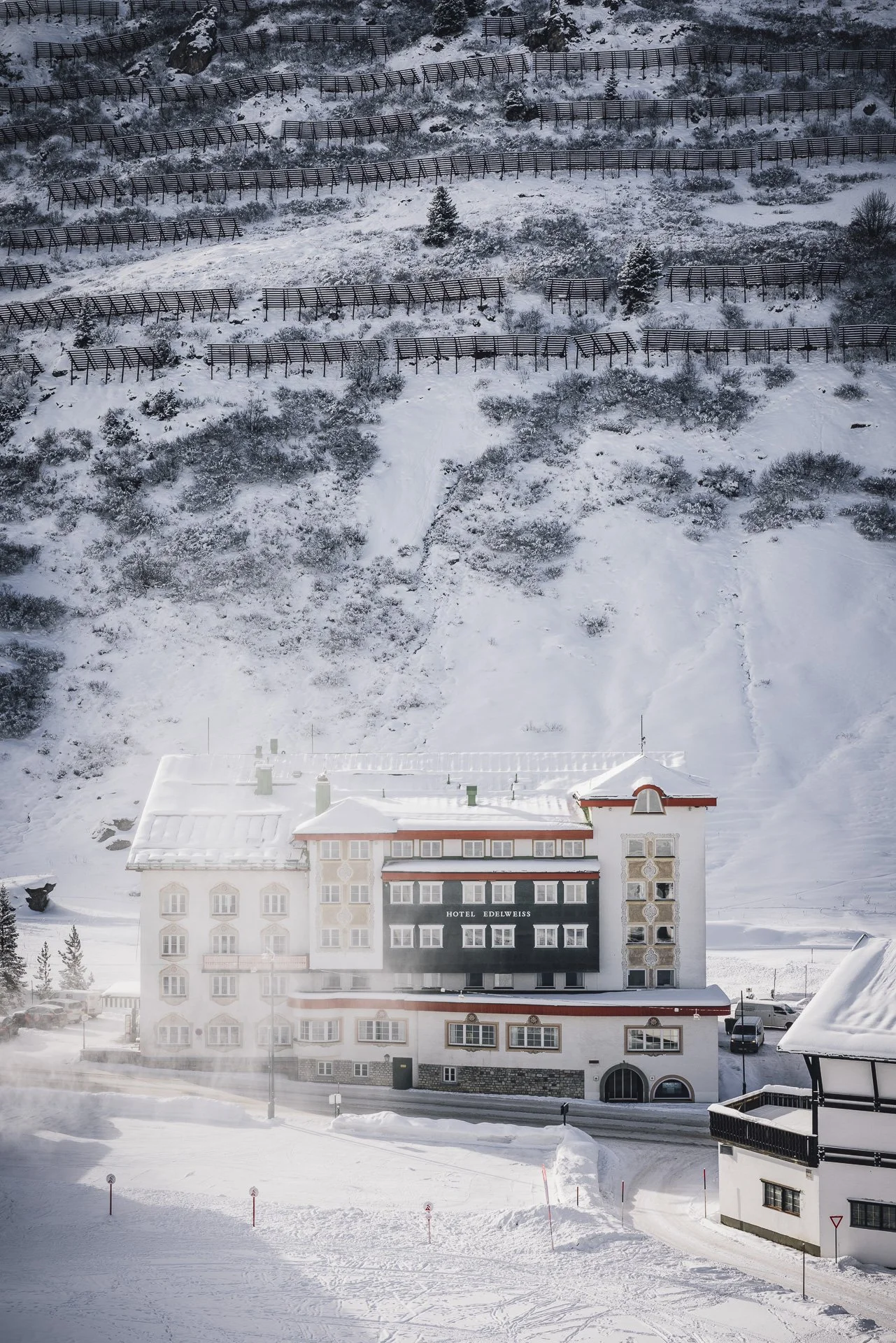
Staying at Hotel Edelweiss
I stayed at Hotel Edelweiss, a jewel in Zürs that blends tradition, modern luxury, and the playful energy of its new concept, Stay Sexy. The hotel (140 years old) has been carefully renovated while keeping its Alpine character, and each room is unique—a private retreat with views that make you pause and breathe. My room, on the third floor with two windows perfectly framing the hotel’s name (as you can see in the picture), was super spacious and elegantly designed, overlooked the slopes, and waking up to those panoramic snowy peaks made me wish I could stay forever.
And then there was breakfast. Oh, the breakfast! I have never eaten so much smoked salmon in one sitting. The freshly brewed coffee with natural milk, served with care, and the hot tea from delicate porcelain teapots made every morning feel like a ceremony. The Edelweiss Frühstück offered a mix of buffet staples and surprises, including the Egg of the Day, fresh juices, and local delicacies. Every meal here felt considered, nourishing, and indulgent.
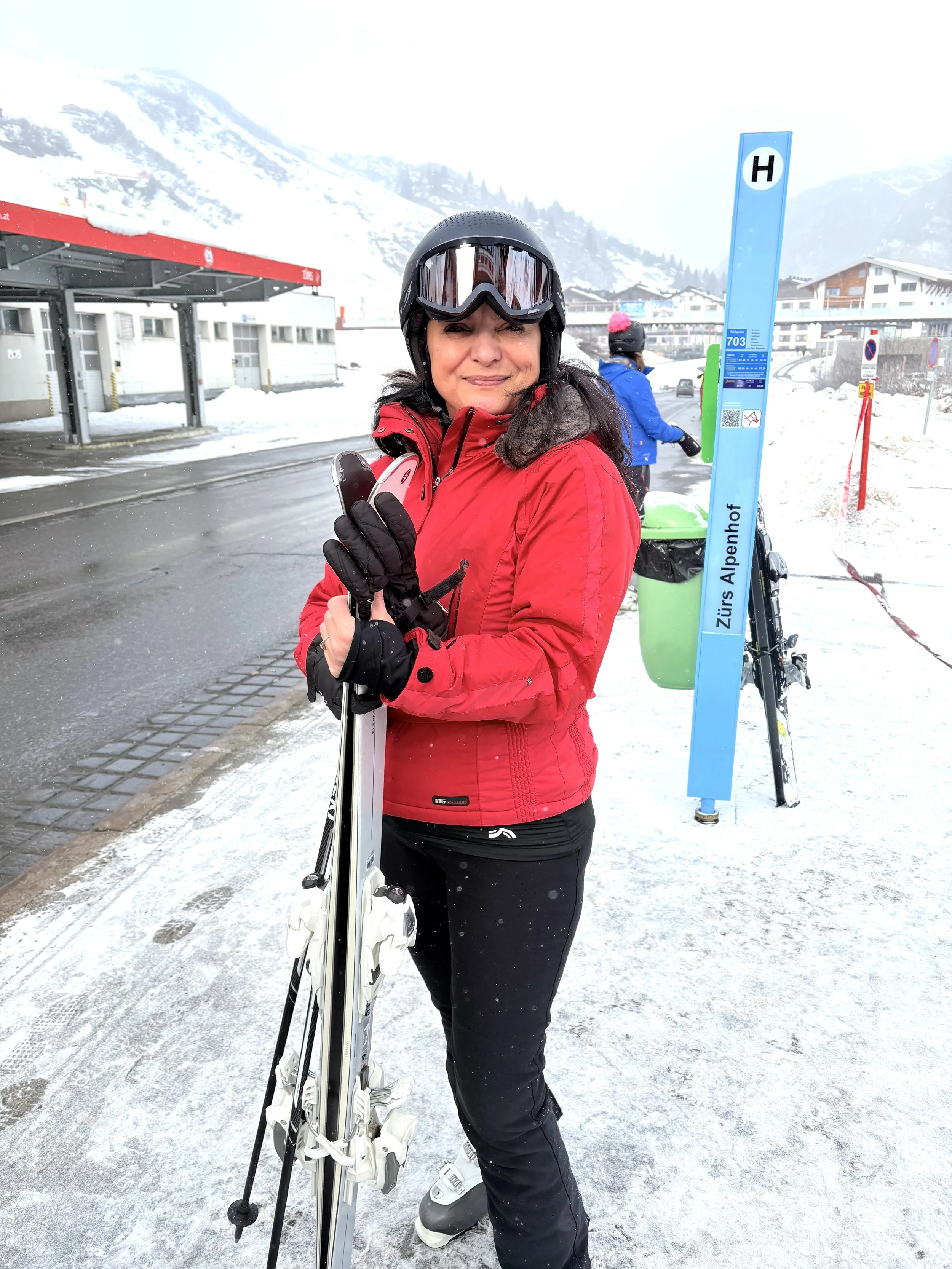
What I loved most was the seamless ski experience. I could take the ski bus to Lech in the morning, glide through the pristine trails, and then take the bus back to Zürs in my ski boots. The hotel’s ski rental service is exceptional: I had my own private ski box, where my boots and equipment were ready for the day, and everything was returned without a hassle. It’s little touches like this that transform a ski trip from ordinary to indulgent.
The spa and wellness facilities offered the perfect way to unwind. After a long day on the slopes, I booked a massage, letting the expert hands of a young female physiotherapist from Belgium—who combined her studies with freelancing across Austria, hopping from one resort to another to meet clients’ needs—melt away the cold and tension.
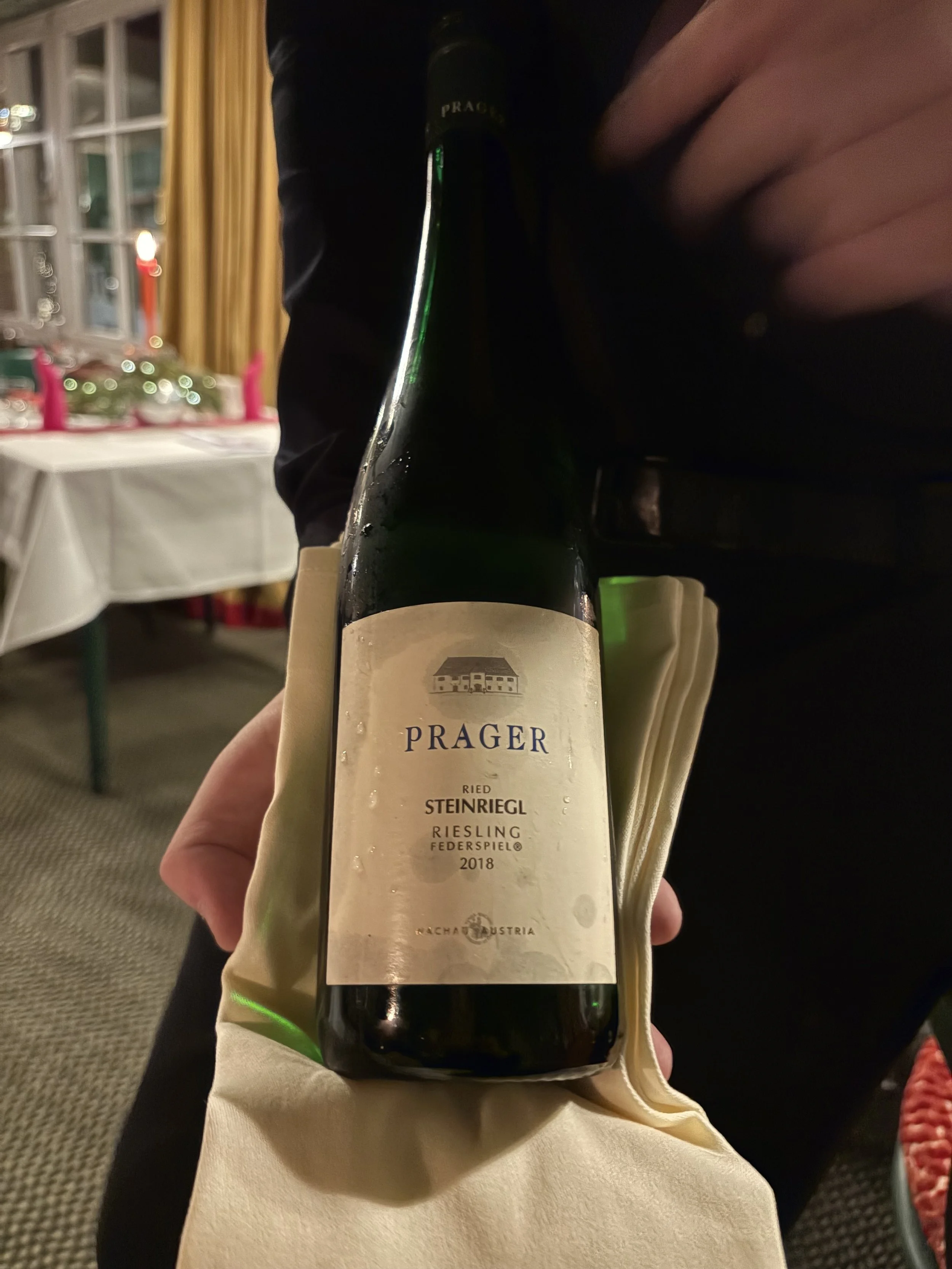
Evenings at the hotel were a highlight. The food and wine selection were extraordinary: menus changed daily (but of course always a schnitzel, and it surprised me it was beef!), showcasing regional flavors alongside international classics, paired with wines that ranged from local Austrian varietals to rare, high-quality bottles. Service was impeccable—attentive without ever being intrusive. Every detail felt curated, from the presentation to the thoughtful recommendations for wine and local specialties.
Skiing in Lech and Zürs
The Arlberg ski area is legendary—most of the European royals come here to ski, and for good reason. Skiing here is a blend of adventure and elegance. Wide, well-groomed slopes offer options for all levels, and the scenery—the forested valleys, snowy ridges, and distant peaks—makes every run unforgettable. The slopes feel luxurious not because of flashiness, but because every detail—the lifts, the signage, the trails—is thoughtfully designed for comfort and enjoyment.
Whether carving turns on the slopes or navigating the quiet backcountry, Lech and Zürs offer a perfect combination of adventure, culture, and indulgence. And when it was time to return to Zürs, the bus ride with ski boots on reminded me how effortless travel can feel when logistics are handled with care. Ski, return, relax—repeat.
Alpine Wine Moments
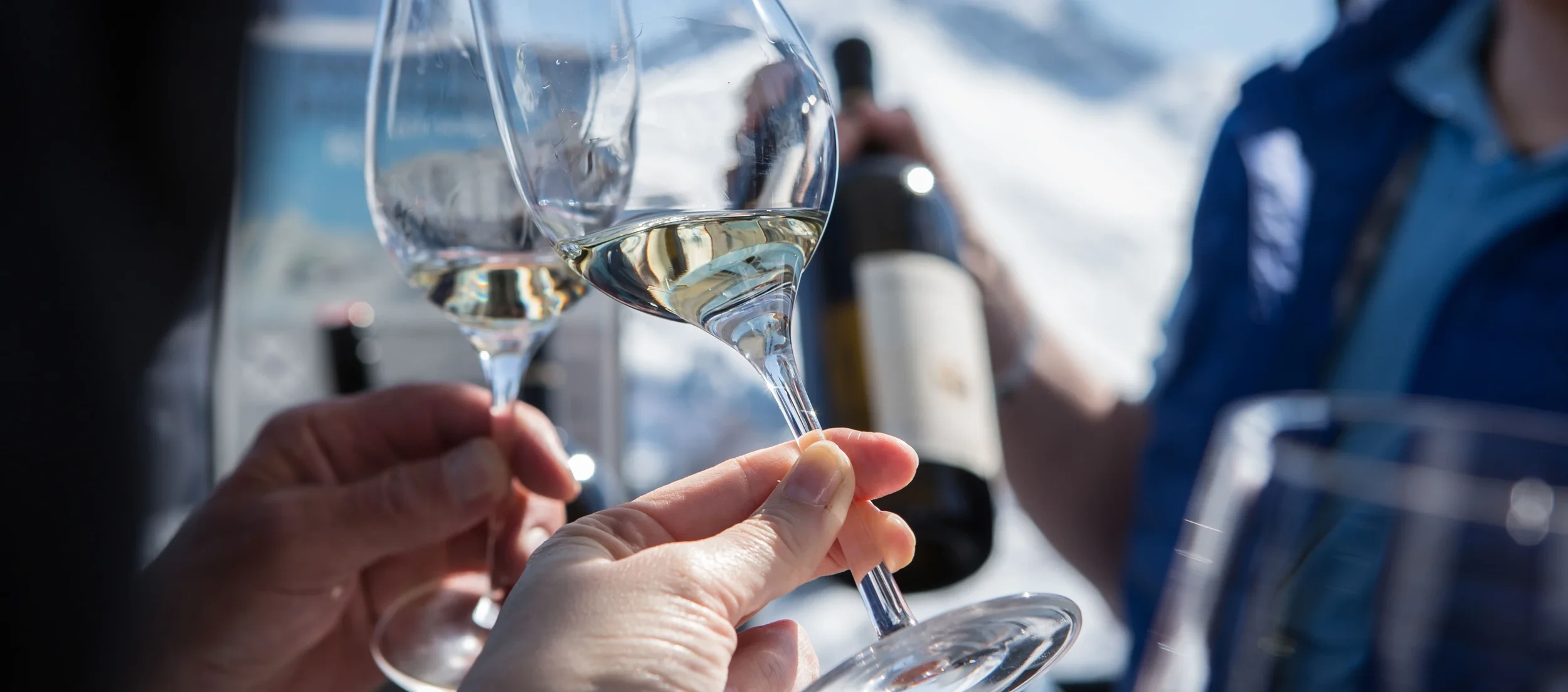
After a full day on the slopes, my favorite ritual was pausing on the terrace of Hotel Edelweiss with a glass of crisp Austrian Grüner Veltliner in hand. The panoramic views of snowy ridges and forested valleys, paired with the fresh alpine air, made every sip feel like a celebration. Even in a ski resort, good wine is never far away—Hotel Edelweiss, the surrounding restaurants, and local mountain huts all celebrate Austrian wines, particularly Riesling, Grüner Veltliner, and Sankt Laurent. Cool-climate conditions at high altitude shape the grapes in subtle ways—crisp, fresh, aromatic—and they pair beautifully with alpine cuisine: rich cheeses, hearty soups, and delicate fish dishes.
Prost! To the slopes, to the sunsets, and to the next adventure.
Katharina Köberl: A Young Sommelier Bringing Alpine Wines to Life
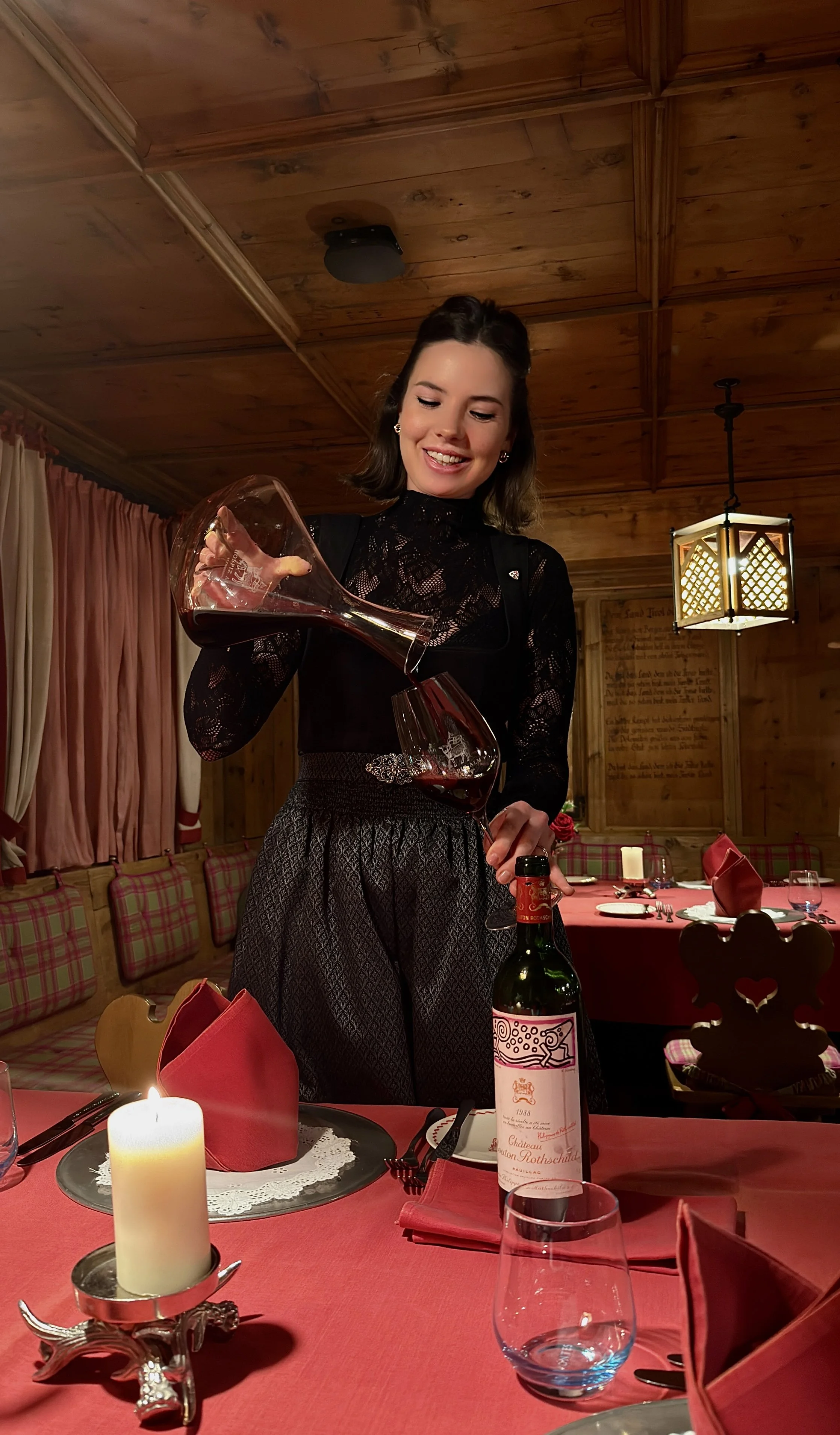
In the heart of the Austrian Alps, at Hospiz Alm in St. Christoph, a small village perched at 1,800 meters, wine is taken seriously. Here, guests don’t just enjoy a meal—they experience a story told through bottles, landscapes, and service. One of the most inspiring narrators of that story is Katharina Köberl, a young sommelier whose passion for wine has transformed her career in just a few years.
By Senay Ozdemir
I met Katharina to explore her journey, her love for wine, and how working in one of the world’s most renowned high-altitude restaurants shapes her understanding of both wine and hospitality.
A Journey Sparked by Passion
Katharina’s path into wine began relatively recently. ‘I found my passion for wine in 2021 when I started working at Hospiz Alm,’ she explains. ‘It’s famous for its collection of Bordeaux wines in enormous bottles—three to 27 liters! Working here means you get to taste and learn every day. Over the past four years, I’ve immersed myself in wine education and now truly enjoy working with wines every day.’
Her choice of venue was deliberate. ‘To specialize as a sommelier at a high-end ski resort like Hospiz Alm is a special honour. Despite being a village with just 40 inhabitants, the restaurant is recognized worldwide for its wine expertise. I have always admired the colleagues who started their careers here, and now I’m proud to be part of that tradition.’
Role models also shaped her path. ‘There were many inspiring women in wine, but one stands out: Katharina Gnigler. Working with her at the Michelin-starred Landhaus Bacher in the Wachau Valley taught me so much—about wine, about guests, and about professionalism. She was voted Austria’s Sommelière of the Year in 2025 and now manages F&B at Das Traunsee.’
Life Among Giants: Working with Rare Wines
Hospiz Alm’s wine collection is legendary, and Katharina describes the experience of curating and serving these bottles as both thrilling and humbling. ‘Opening my first large-format bottle was unforgettable,’ she recalls. ‘Even now, serving a 12- or 15-liter bottle carries enormous responsibility. It’s a privilege that makes every service memorable.’
Her dedication goes beyond pouring glasses. ‘We aim to provide consistent service for all guests. Lunch for 90 people is different from an intimate dinner for 15, but every guest should experience that unique Hospiz feeling. Seeing appreciation in their eyes makes the effort worthwhile.’
The restaurant’s wine repertoire is diverse, spanning easy-drinking Austrian classics to prestigious Burgundies and Bordeaux. Katharina notes, ‘On sunny days, guests often enjoy two or three bottles of Grüner Veltliner Federspiel from the Wachau. Rosés are trending, too. And of course, French wines remain highly sought after in high-end alpine restaurants.’
Women in Wine and Ski Tourism
Being a woman in wine, particularly in a traditional alpine environment, comes with its challenges. ‘In the Arlberg region, tradition runs deep. Guests often expect long-established sommeliers, which can be challenging for newcomers. Sometimes people are surprised to see a young woman in the role instead of the well-known Mr. Karl-Heinz Pale,’ Katharina admits.
Yet she sees an evolving landscape. ‘Austria has many young women making names for themselves in wine. The next generation is inspired by them, and in wine education programs, we see more women enrolling each year. Internationally, too, women in wine are increasingly visible and influential.’
Support and mentorship matter. ‘I’m fortunate to be part of a community of women supporting women in the Austrian wine industry. It’s encouraging, and it gives me hope for the future of female sommeliers worldwide.’
The Alpine Perspective
Working in the mountains profoundly influences Katharina’s understanding of wine, terroir, and service. ‘We welcome Austrian and international winemakers every year. Sharing ideas directly helps with sales and deepens knowledge. Hospitality colleagues often exchange tips, so everyone grows together.’
She also sees the impact of alpine conditions on wine style. ‘In the mountains, wines for the ski tourism clientele are often easy-drinking but elegant. Grüner Veltliner, Riesling, and even light Rosés work beautifully. The high-altitude environment favors fresh, mineral-driven wines, while classic French wines remain an essential part of the high-end experience.’
Katharina draws parallels between high-altitude winemaking and her role as a sommelier. ‘Precision, attention to detail, and respect for nature are essential in both vineyards and service. You learn to anticipate conditions, adapt quickly, and always keep quality in focus. These lessons are universal.’
Moments That Matter
Asked about her favorite wine moments, Katharina laughs. ‘It’s impossible to pick just one. I love guessing what guests will enjoy most and watching their delight. But opening a big-format bottle or guiding someone through our extensive collection is always special.’
Her après-ski experiences are equally personal. ‘I love skiing in the morning, knowing exactly where I’ll stop for lunch at 1 pm. Sitting on a terrace in Lech or Oberlech, enjoying champagne and exploring the wine list, is pure bliss. There’s no better place for luxurious après-ski than here.’
Insider tips for wine lovers visiting the Alps? ‘Obviously, Hospiz Alm in St. Christoph. Beyond that, Älpele in Zug offers superb wine with a beautiful winter walk, and Fux Asia in Lech combines outstanding wine with creative Asian cuisine.’
Katharina Köberl embodies the intersection of cool-climate wine, alpine culture, and high-end hospitality. Her journey demonstrates how passion, mentorship, and a deep respect for terroir can create unforgettable experiences for guests—whether they are savoring a local Grüner Veltliner or a prestigious Bordeaux at 1,800 meters above sea level. Her story also underscores a broader theme: women in wine are shaping the future of the industry, bringing expertise, vision, and dedication to every glass they serve.
Next in the series: High-Altitude Winemaking
From the Alps to the Andes, vineyards perched high above sea level offer extraordinary potential for elegant, mineral-driven wines — but working at altitude comes with unique challenges. Precision, patience, and respect for nature shape every grape, every bottle. Next week, we explore how high-altitude conditions influence grape growing, wine style, and the people who dedicate themselves to crafting these unforgettable wines.
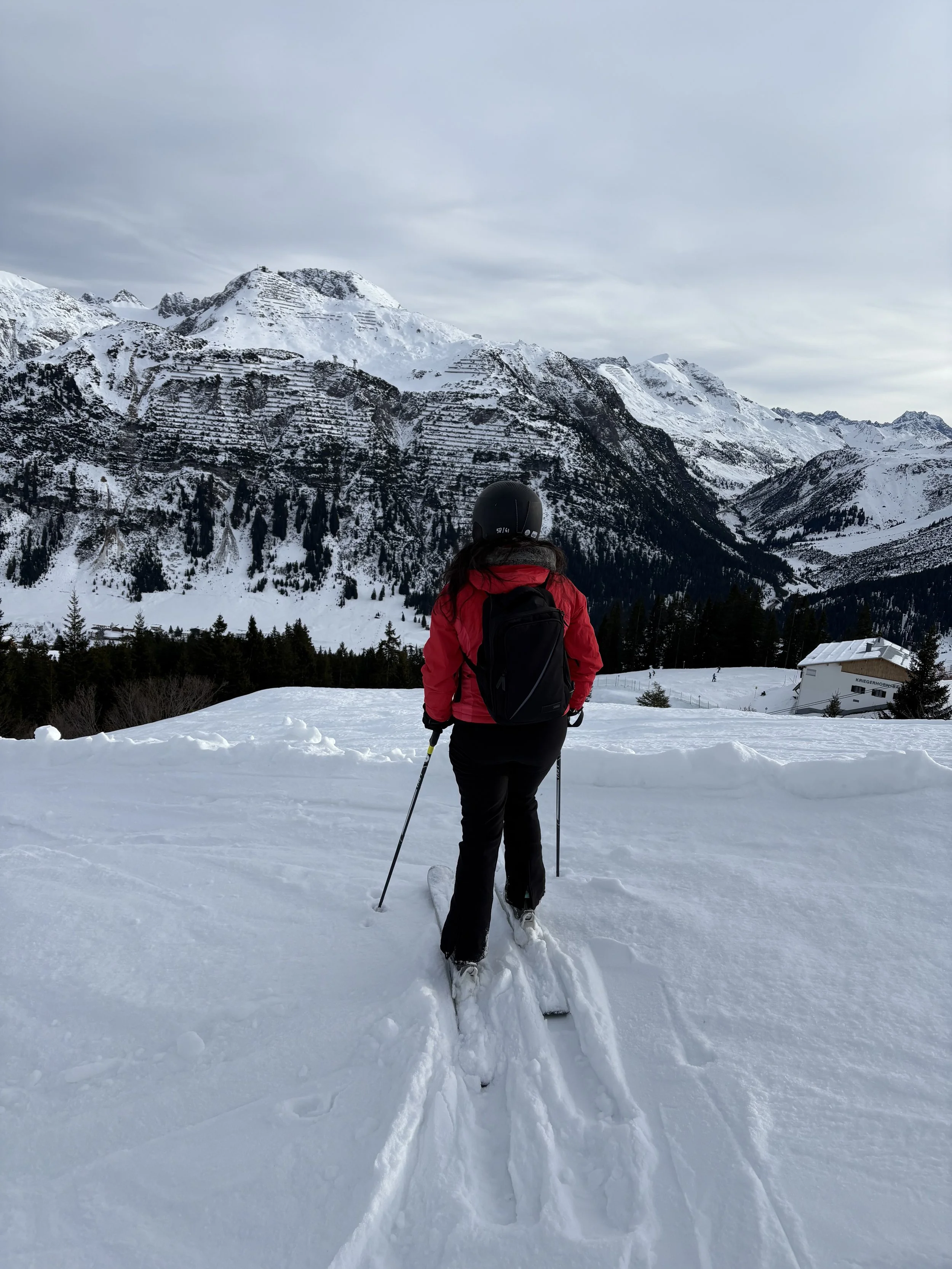
a mountain girl
I have always loved mountains. I was born in Safranbolu, a mountainous region in the western part of the Black Sea, with its highest peak reaching 1,750 meters. I remember walking to school through two meters of snow. So, I’ve always considered myself a mountain girl. Who would have thought that one day I would be writing about high altitudes and the art of making wine?
Skiing through the Austrian Alps, high above the valleys, with crisp air and sunlight reflecting off snow, I started thinking about wine in a new way. Mountains teach patience, resilience, and precision — qualities mirrored in high-altitude winemaking. Conversations over dinner and my meeting with sommelier Katharina Köberl brought these ideas to life. She showed me how elevation, climate, and human care shape wines — from crisp Rieslings to elegant Grüner Veltliners — and how every slope and sun-drenched terrace leaves its mark in the glass.
I’ve seen the same challenge and beauty in other steep and cool-climate regions, like the Mosel, where Rieslings cling to terraces that demand precision and patience. Cool nights, strong sunlight, and rocky soils influence ripening, structure, and minerality, producing wines with clarity, balance, and expression. Even when slopes aren’t extreme, cooler climates challenge winemakers to adapt and refine, rewarding them with wines that carry a distinct sense of place.
Cool-climate regions are getting a lot of attention right now, and I am very curious to learn more about women making wine in these conditions — whether at high altitude, in northern latitudes, or on shaded terraces. Do they share a common trait? What draws them to challenging terroirs, wherever they may be? What are they most proud of? I can’t wait to discover these stories — which is also why we wanted to explore this theme for our Masterclass at ProWein: Her Terroir. Her Story. It will focus on wines made by women from cool-climate regions around the world, with a line-up of inspiring voices from different continents discussing what makes their wines, their work, and their place so unique.
Reflecting on all of this, it’s clear why high-altitude vineyards are such fascinating examples of cool-climate viticulture. The combination of mountain challenges and extraordinary conditions shows how the environment shapes wines, and why some of the most precise, elegant wines in the world come from these locations.
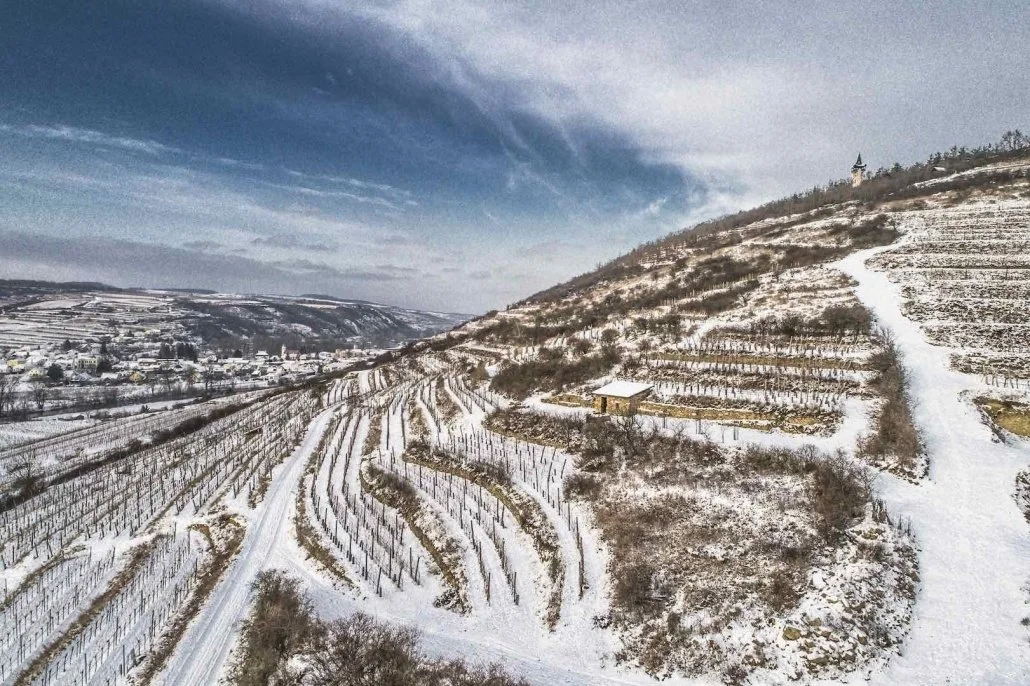
Kamptal