INTERVIEW WITH CRISTINA MERCURI
The first Italian woman to earn the Master of Wine title
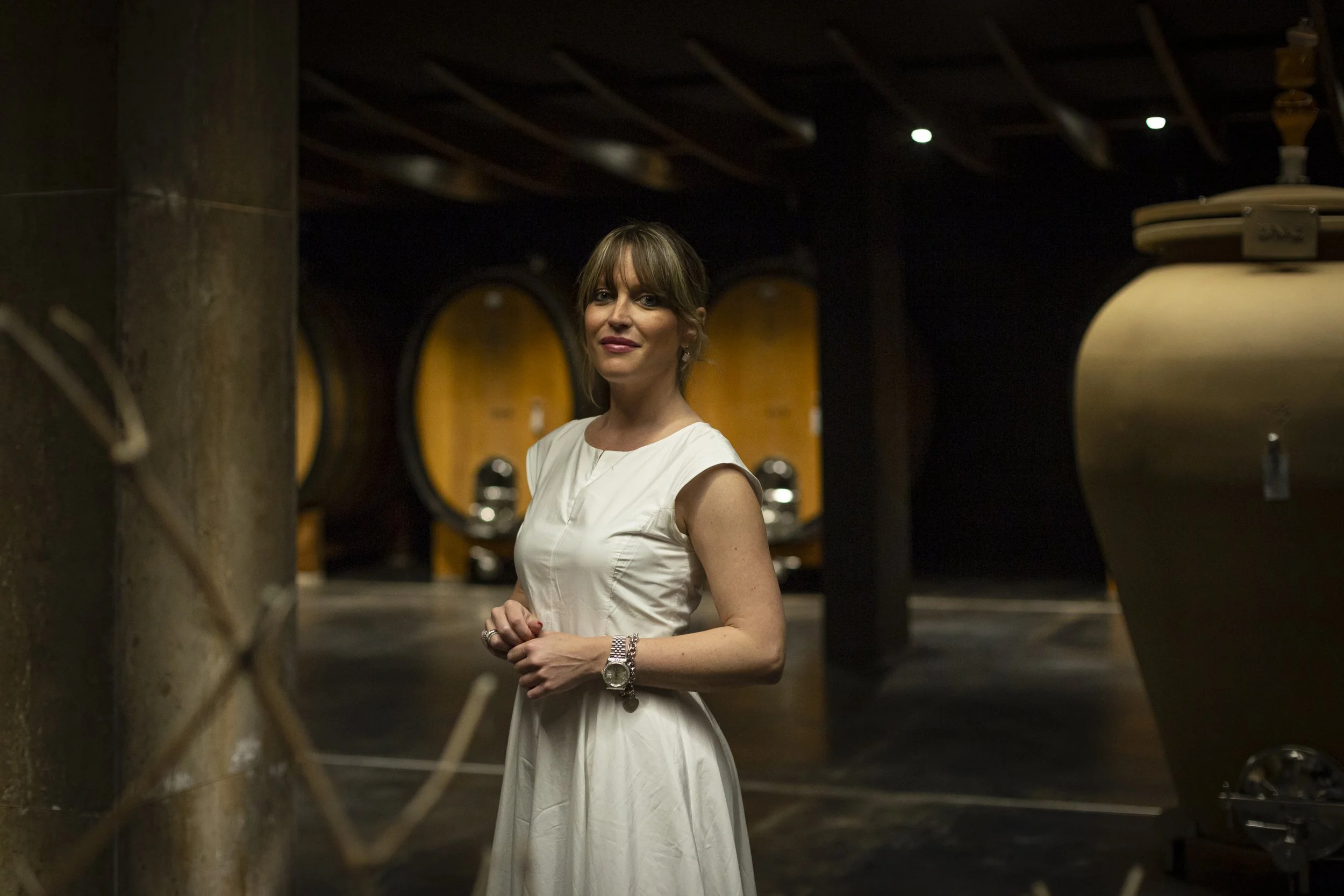
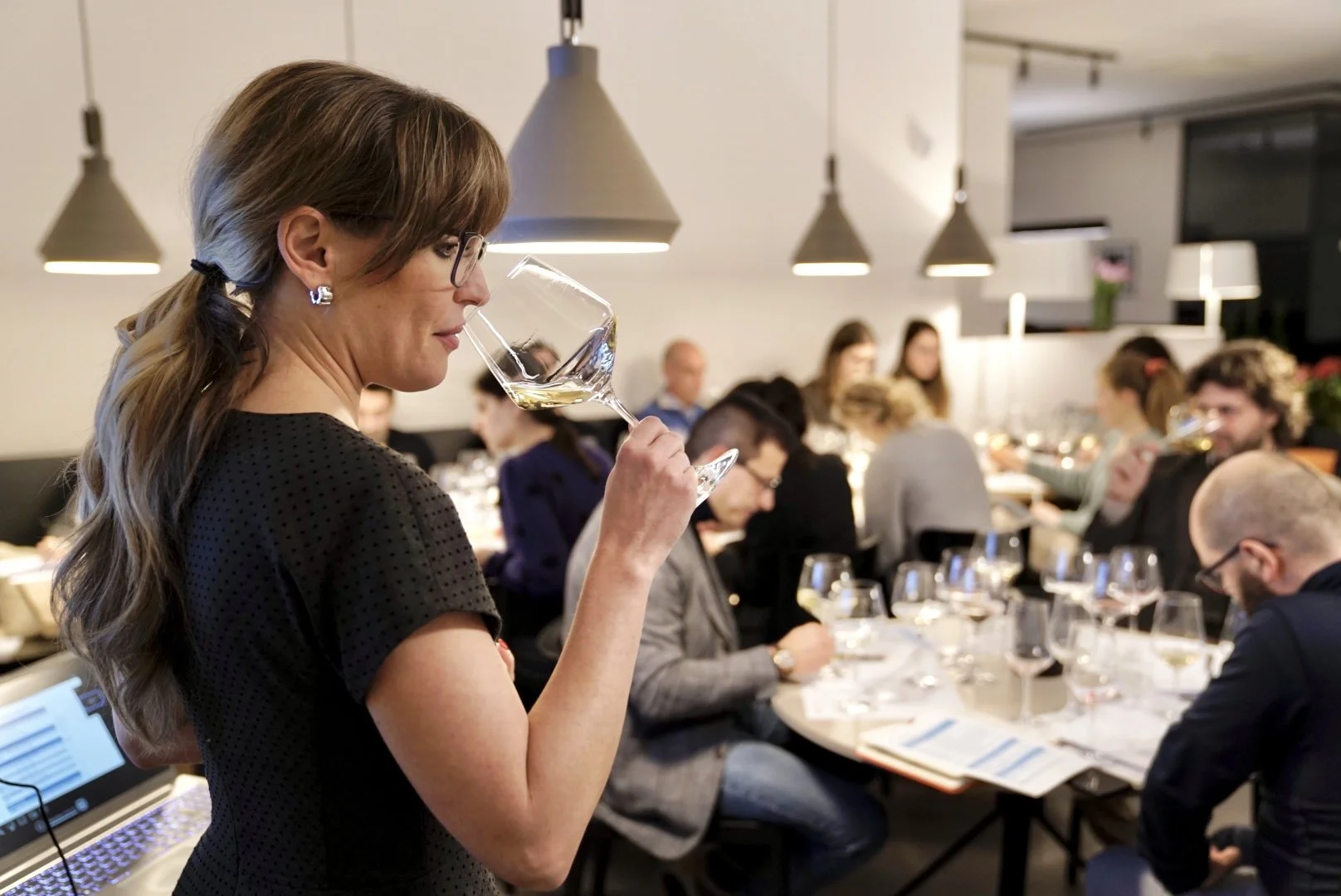
Cristina Mercuri MW is a wine educator, entrepreneur and one of the leading Italian voices in international wine communication. She is the first Italian woman to earn the Master of Wine title, awarded by the Institute of Masters of Wine — widely considered the most rigorous qualification in the global wine sector. Founder of the Mercuri Wine Club, and editor of Forbes Italia, she works across wine education, strategic consulting and international wine communication, focusing on analytical thinking, cultural context and the evolving global wine market.
By Senay Ozdemir
You became the first Italian woman to earn the title of Master of Wine. What did that moment mean to you personally—and what do you think it meant for women in the Italian wine world?
On a personal level, the moment brought a deep sense of fulfilment after many years of disciplined work and commitment. Becoming the first Italian woman to achieve the Master of Wine title is meaningful, but ideally it should not be news. In a fully mature system, what matters is that an individual reaches the highest level of competence, regardless of gender. The fact that this milestone still carries symbolic weight tells us that progress is still needed in terms of representation and opportunity. For women in the Italian wine sector, I hope this achievement can be interpreted as a signal that leadership at the highest technical and strategic level is possible. Visibility contributes to normalisation, and normalisation contributes to structural change.
The Master of Wine programme is famously demanding. Were there moments during the journey when you questioned whether you would finish—and what kept you going?
The most demanding phase was the transition from Stage 2 to Stage 3. Stage 2 already requires a very high level of technical competence and analytical precision, and passing it on my second attempt represented an important milestone. Stage 3 is different. The challenge becomes intellectual independence and the ability to develop original research at an academic level while maintaining professional commitments. What sustained me was a strong sense of direction. The MW is not simply an exam; it is a process that reshapes the way you think. Discipline, consistency and long-term focus become structural elements of your professional identity.
Looking back, who were the women—or men—who supported your path into the wine world?
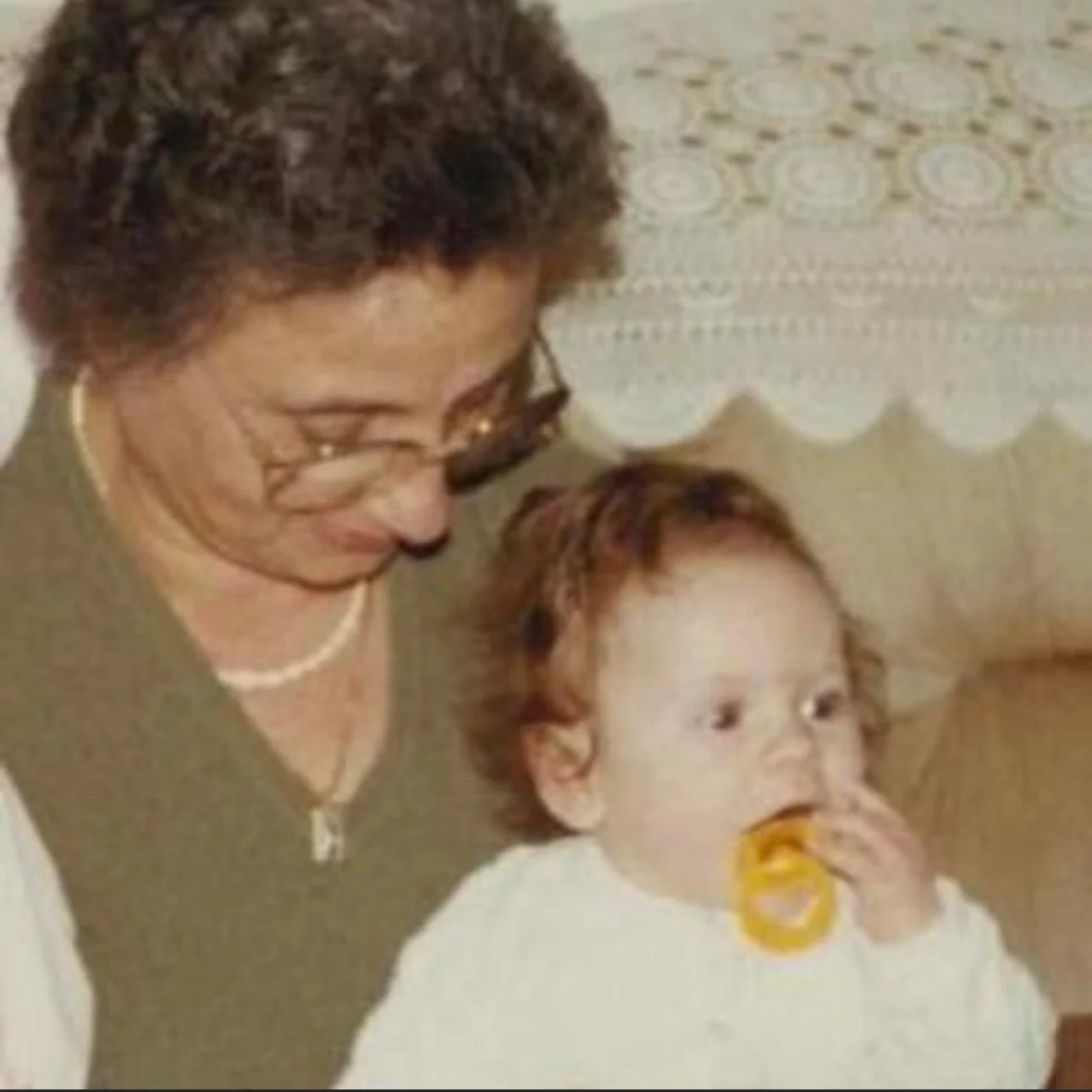
Support came from different dimensions: family, professional mentors, colleagues and friends who understood the level of commitment required. My mother transmitted a strong sense of responsibility and perseverance, while my grandmother represented an example of dignity and determination. Along my professional path, I benefited from dialogue with people who shared a rigorous approach to wine and encouraged independent thinking rather than conformity. Equally important was the support of a small network of trusted peers and mentors, including academics who contributed to the development of my research paper and colleagues who challenged my analytical framework during the MW journey.
Did you ever feel that being a woman shaped the opportunities or challenges you encountered in wine?
In recent years, I have personally experienced a professional environment that increasingly values competence. Earlier in my career, however, there were situations in which gender bias was more visible, including moments when professional credibility was questioned in contexts outside wine education. More broadly, it is still possible to observe dynamics in which women are subject to inappropriate comments or stereotypical expectations. Encouragingly, younger generations demonstrate greater awareness and professionalism. Structural change often happens progressively—through example, consistency and time.
For many people outside the wine world, the title Master of Wine sounds prestigious but abstract. What does it actually represent in terms of expertise, responsibility and influence?
The Master of Wine title, awarded by the Institute of Masters of Wine, represents one of the most rigorous professional qualifications in the global wine sector. It certifies the ability to analyse wine from multiple perspectives: technical, economic, cultural and strategic. The programme requires advanced tasting competence, deep theoretical knowledge and the capacity to conduct independent research. More importantly, it implies responsibility. Masters of Wine are expected to contribute to the development of the industry through competence, integrity and thought leadership. The qualification signals the ability to participate in professional dialogue at the highest level within the global wine sector.
How did becoming a Master of Wine change your professional life?
The title strengthens credibility in international contexts and facilitates dialogue with institutions, producers and global stakeholders. At the same time, the most important transformation occurred during the journey itself. The MW programme refines analytical discipline, strategic thinking and intellectual independence. Professionally, it reinforces my ability to contribute to positioning strategies, communication frameworks and education projects with a global perspective.
Do you feel Masters of Wine have a role beyond education—perhaps as ambassadors for change in the wine industry?
Yes. Masters of Wine operate at the intersection of knowledge, communication and influence. This position creates opportunities to encourage evolution in areas such as sustainability, transparency, accessibility of language and responsible communication. The wine sector is undergoing structural transformation, and authoritative voices can help guide this transition with rigour and credibility.
In your view, what qualities define a great Master of Wine today: technical knowledge, communication skills, leadership, or something else?
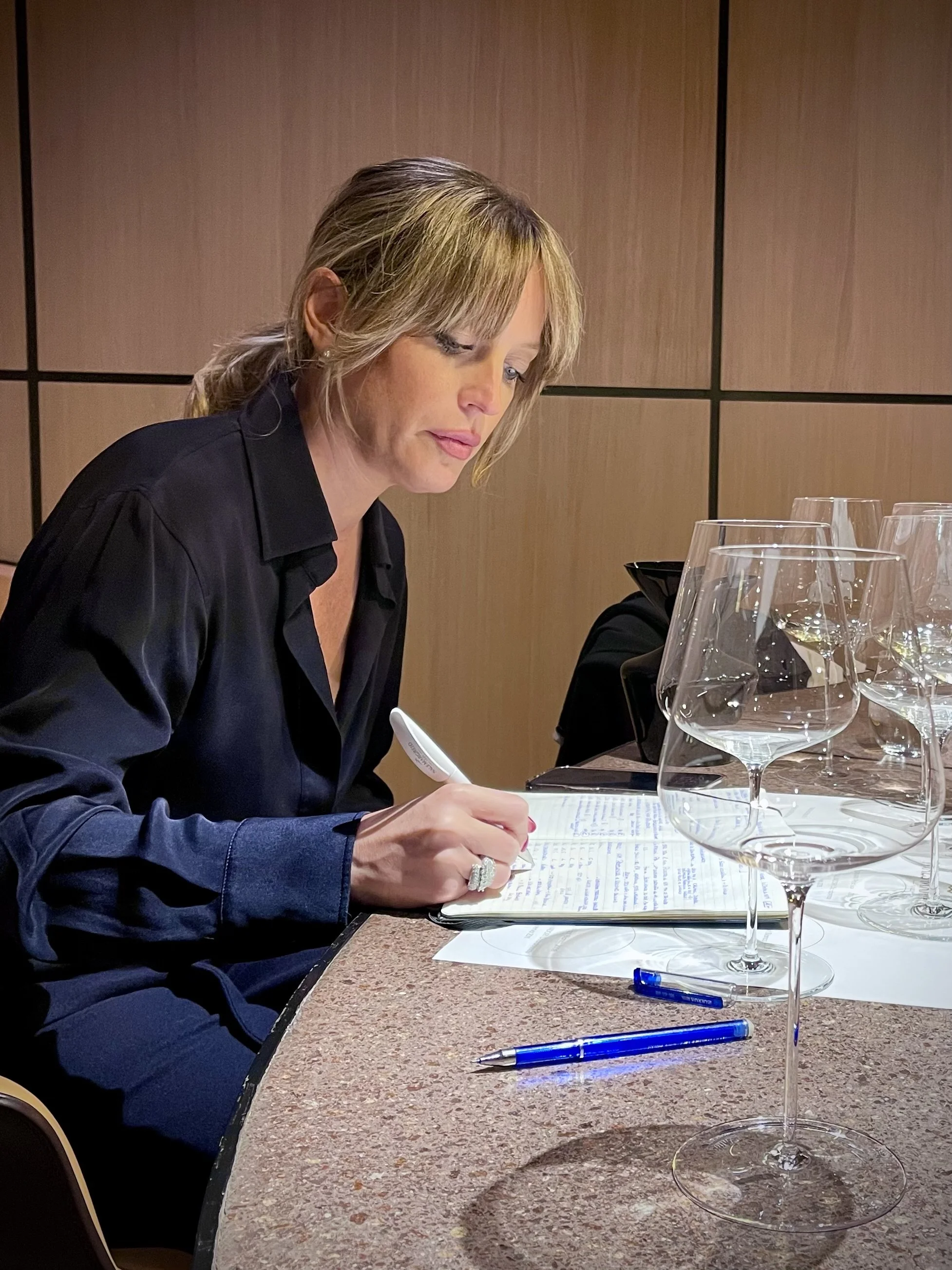
Technical competence is foundational, but it is not sufficient. A great Master of Wine combines analytical rigour with intellectual curiosity, clarity of communication and a strong sense of responsibility toward the sector. Leadership today also means the ability to listen, interpret change and translate complexity into meaningful frameworks for producers, professionals and consumers.
Over the past decade we’ve seen more women becoming winemakers, buyers, educators and sommeliers. What progress have you observed—and where does the industry still fall short?
Progress is visible in the increasing presence of women in decision-making roles across production, education and communication. Many women today lead wineries, manage export strategies and shape stylistic directions. The sector still needs to improve in terms of equal access to leadership roles and visibility. The objective is not representation as an exception, but competence as a norm.
Why do you think formal qualifications like the Master of Wine programme can be particularly empowering for women in the wine sector?
Structured qualifications provide objective criteria for evaluation. They create a framework in which competence is measurable and recognised internationally. This contributes to reducing subjective bias and strengthens professional credibility. For women—as for any professional group—recognised qualifications can facilitate access to leadership positions by reinforcing legitimacy through demonstrable expertise.
Have you noticed differences in how women lead within wine businesses, wineries or wine education?
Leadership styles vary widely across individuals. However, it is possible to observe an increasing emphasis on collaboration, long-term vision and clarity of communication. Many female leaders integrate technical precision with strong relational intelligence, which can contribute positively to organisational culture. Ultimately, effective leadership is defined by competence, responsibility and the ability to create value over time.
What advice would you give to young women who want to build a serious career in wine today?
Invest in competence. Study systematically. Taste consistently. Develop analytical discipline. Build an international perspective. Choose mentors carefully and cultivate intellectual independence. Authority in wine, as in any sector, derives from preparation, clarity of thought and credibility built over time.
What changes would you like to see in the global wine industry over the next ten years to create more equality and opportunity?
Greater transparency in career development, broader access to high-level education and increased visibility for diverse professional profiles would contribute positively to the sector. More broadly, the wine industry would benefit from a communication model that is more inclusive, contemporary and open to interdisciplinary perspectives.
If you could mentor the next generation of female wine leaders, what would be the most important lesson you would pass on?
Build substance before visibility. Credibility is cumulative and derives from consistency. Professional identity develops through discipline, intellectual honesty and the ability to engage constructively with complexity. Long-term impact requires patience and strategic clarity.
Finally, what does “women supporting women” mean to you in the context of the wine world? Do you have a message for our audience?
Supporting women means creating concrete opportunities for professional growth. Through the Mercuri Wine Club, initiatives such as scholarships for WSET Level 2 courses have been developed in collaboration with organisations supporting women who face structural barriers. The objective is not symbolic support, but access to tools that enable independence and professional development. The wine sector benefits when talent can emerge without unnecessary obstacles. A more inclusive industry is also a stronger and more dynamic industry.
Here is a link for more interviews with inspiring women in wine.