wiwe prowein playbook
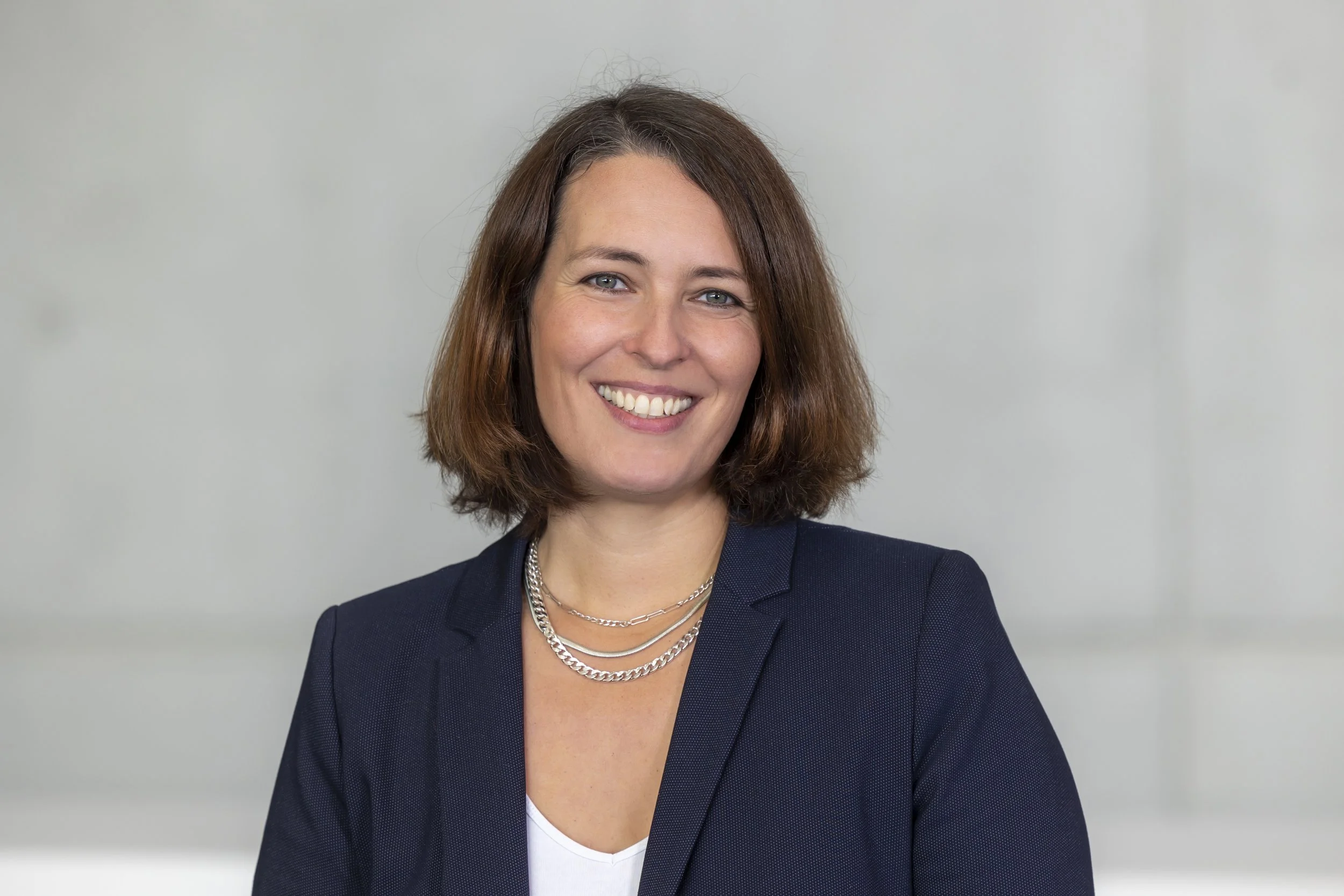
Kerstin Houf: “Preparation determines impact. Before arriving at ProWein, it’s essential to know who you want to meet and what outcomes matter.”
Kerstin Houf’s Strategic Advice for Women Wine Professionals (Part 2)
By Senay Ozdemir
Following our introduction to Kerstin Houf, Senior Project Manager at ProWein, we asked her to share practical insights for women preparing to attend international wine fairs. Drawing on years of experience behind the scenes, Houf offers strategies on mindset, preparation, presence, and follow-up — the full toolkit for turning visibility into opportunity.
Many women feel hesitant when stepping onto the floor of a major international fair. What’s your advice for claiming space and voice?
“ProWein isn’t a stage you need to earn; it’s a platform you help shape. Once women recognise that their expertise is part of the global wine narrative, their presence changes completely. Understanding that you belong here allows your confidence and authenticity to show naturally.”
What are some common pitfalls exhibitors should avoid?
“I often see exhibitors trying to do everything at once, saying yes to every request, or fading into the background amid the intensity of the fair. Women can excel by focusing on what truly matters, communicating their boundaries, letting go of perfectionism, and articulating their expertise proactively. On a busy exhibition floor, I also recommend having defined meeting points, clear routes, a buddy system within your team, and taking regular micro-breaks. Being aware of physical boundaries, staying hydrated, and pausing for clarity helps maintain professionalism without compromising personal confidence.”
How can women prepare effectively before the fair?
“Preparation determines impact. Before arriving at ProWein, it’s essential to know who you want to meet and what outcomes matter. Selecting wines that reflect your identity and spark conversation is key, and organising marketing materials and team responsibilities ensures every interaction feels intentional. I also use what I call the Insights-to-Action framework, which helps transform product information into decision-relevant communication, making your presence both efficient and attractive.”
What advice do you have for smaller producers seeking visibility?
“Size does not determine impact; clarity does. Leading with a focused, memorable story is far more effective than relying on flashy design. Short tastings, concise signage, and QR codes linking to your portfolio can guide visitors efficiently, while personal invitations often outperform costly visual elements. It’s about being thoughtful and intentional in every touchpoint.”
How should exhibitors curate a high-impact wine lineup?
“A focused selection tells a story. Wines should speak a clear stylistic language and reflect what resonates in international markets, while also including at least one wine that demonstrates innovation or individuality. I always advise crafting a short narrative — around twenty seconds — that touches on origin, mindset, and signature. It’s concise enough to make an impression during hundreds of conversations, yet memorable and personal.”
During the fair itself, how should women approach networking and energy management?
“When approaching buyers, importers, or media, structure is important. Introduce yourself with one sentence on your unique value, one on your goals, and one on your portfolio, then listen. Engagement is strongest when combined with genuine curiosity. Managing energy is equally important: a few focused minutes before the hall opens to set your tone, scheduling clustered appointments with short buffers in between, and taking intentional breaks for hydration, fresh air, and proper meals all help you stay at your best throughout long, intense days.”
How should exhibitors follow up to turn contacts into lasting relationships?
“Follow-up is crucial. I recommend sending personalised, concise messages within seventy-two hours of your meetings. Include only materials that are relevant to your conversation and always define clear next steps, whether that’s sending samples, scheduling a call, or sharing market insights. The Insights-to-Action framework ensures that follow-ups are not just polite, but strategically effective, helping to maintain momentum with the people you met.”
Final Takeaway
Success at ProWein — or any major international fair — is the sum of mindset, preparation, and execution. When women show up with clarity, confidence, and focus, they not only elevate their own brands but shape the global wine narrative itself. This playbook is your guide to claiming space, telling your story, and turning visibility into opportunity.
Kerstin Houf on Responsibility, Visibility and Why Women Belong on the Global Wine Stage (Part 1)
By Senay Ozdemir
Stepping into ProWein for the first time can be overwhelming. The scale, the pace, the concentration of global decision-makers — it’s a setting where confidence is tested and visibility is earned quickly. For many women in wine, the challenge is not expertise, but presence: how to take up space in an environment that has not always been built with them in mind.
Few people understand this dynamic better than Kerstin Houf, senior project manager at ProWein. Working behind the scenes of one of the world’s most influential wine fairs, she operates at the intersection of strategy, structure, and global trade. Her role gives her a unique vantage point: she sees what makes exhibitors succeed — and what holds them back.
But Houf’s perspective is shaped not only by her position, but by her own professional journey.
Working at the heart of a global fair
“As senior project manager, my work is about creating structure and clarity in a very complex environment,” Houf explains. “ProWein brings together producers, buyers, importers, and media from all over the world. My responsibility is to make sure that this ecosystem functions — that exhibitors can present themselves effectively, and visitors can find what they need.”
That means translating vast amounts of information into usable systems: from exhibitor databases and matchmaking tools to communication frameworks that help professionals connect more efficiently on the fair floor.
“At this scale, clarity becomes a form of respect,” she says. “People invest time, money, and energy to be there. Our job is to help them make those three days count.”
Finding her way — and her voice
Houf did not enter the wine world by accident, nor did she step into her role fully formed. Like many professionals working in international trade environments, she learned by navigating complexity — and pressure.
“Global fairs are intense,” she reflects. “There are expectations from many sides, tight timelines, and a lot of responsibility. You learn quickly how important it is to prioritise, to communicate clearly, and to trust your own judgement.”
Over time, she also became acutely aware of how differently men and women often experience these environments.
“I started noticing patterns,” Houf says. “Women were just as prepared, just as knowledgeable — but more hesitant to put themselves forward. They often questioned whether they were ‘ready enough’, while others simply stepped in.”
Seeing the gender gap up close
From her vantage point, the underrepresentation of women at international fairs is not about lack of quality — it’s about access, confidence, and structure.
“Visibility doesn’t happen automatically,” Houf explains. “It’s shaped by systems, by habits, by who feels entitled to speak first or take the lead. If we want more diversity on the floor, we have to actively support it — not just assume it will happen on its own.”
That realisation increasingly shaped her work. She began asking different questions: How can tools be designed to lower thresholds? How can communication be clearer, more focused, more inclusive? How can fairs support professionals who may not arrive with the biggest teams or budgets — but with strong stories and high-quality wines?
Responsibility behind the platform
For Houf, working at ProWein also means recognising the responsibility that comes with influence.
“A fair like ProWein doesn’t just reflect the industry — it helps shape it,” she says. “That means we have to think carefully about who is visible, who is heard, and how people experience the space.”
This is where her collaboration with Women in Wine Expo (WIWE) fits naturally.
“WIWE is not about separating women from the industry,” Houf stresses. “It’s about equipping them to fully participate in it — with confidence, clarity, and strategic awareness.”
Why WIWE matters now
Houf sees initiatives like WIWE as timely and necessary, especially as the global wine industry faces rapid change.
“Markets are evolving, consumer expectations are shifting, and sustainability and authenticity matter more than ever,” she says. “Women bring perspectives and leadership styles that are incredibly valuable in this context. The industry benefits when those voices are present and visible.”
For women preparing to attend ProWein or similar fairs, she believes the first step happens well before logistics or strategy.
“It starts with recognising that you belong there,” Houf says. “Not as a guest, not as an exception — but as a professional contributing to the future of the industry.”
Looking ahead
As ProWein continues to evolve, Houf is clear about what she hopes to see more of on the fair floor: focus, authenticity, and diversity — not as buzzwords, but as lived realities.
“When women step onto an international stage with clarity about who they are and what they offer, it changes the dynamic,” she says. “Not just for them, but for the industry as a whole.”
In our next conversation, Houf shares her practical, step-by-step advice for women wine professionals preparing for international fairs — from mindset and preparation to presence and follow-up. A strategic playbook for turning visibility into opportunity.