Connecting East to West: The Aegean and Beyond
Thessaloniki is where we meet — but the conversation reaches much further.
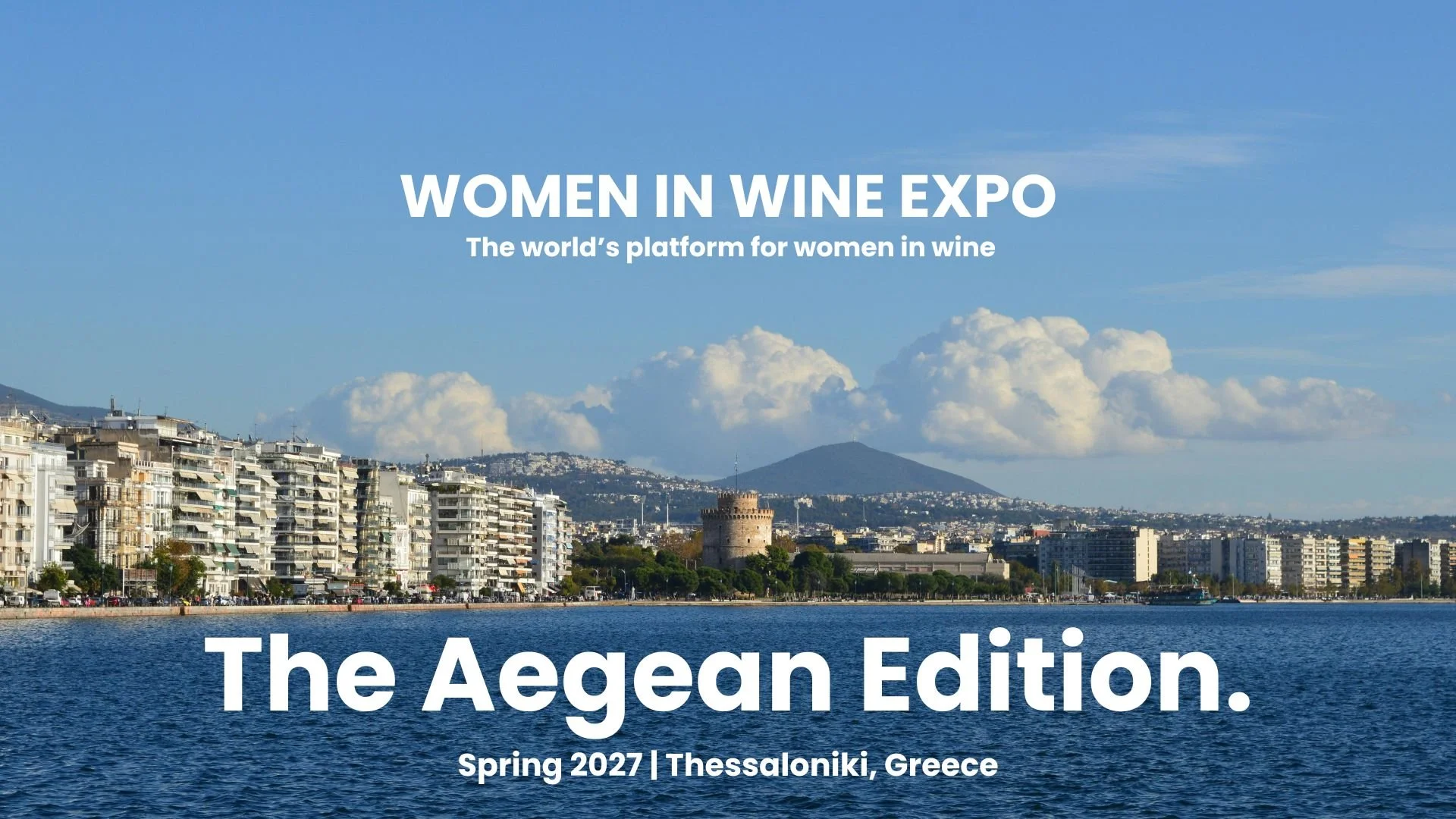
For WIWE, the Aegean Edition is about connecting women in wine from East to West. We are coming to Greece, but we are looking at the much wider region around it: the Aegean, Thrace, the Balkans, the Caucasus and the eastern Mediterranean.
Thessaloniki is a natural place to bring these worlds together. For centuries, the city has been a crossroads of trade, cultures and ideas, connecting Europe with the Aegean and the wider eastern Mediterranean. Wine has travelled these routes too.
Today, a new generation of wine professionals is rediscovering, reinterpreting and sharing this rich wine heritage with the world.
Beyond Assyrtiko
Greece is a fascinating starting point.
Assyrtiko has become one of the country's great international ambassadors, but it is only one part of the story. Across Greece, indigenous varieties are finding new audiences: Vidiano from Crete, Robola from Kefalonia, Moschofilero from the Peloponnese, Xinomavro from Northern Greece and Agiorgitiko from Nemea are just some of the grapes opening up a broader conversation about Greek wine.
Rediscovering Retsina
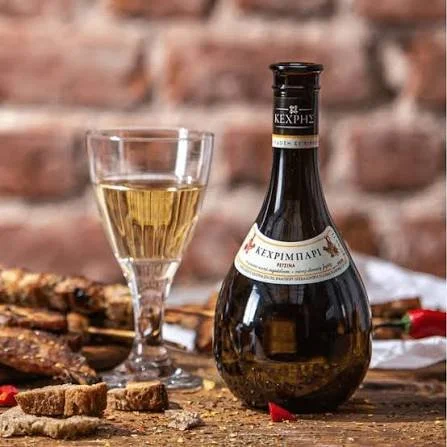
Kechribari, Kechris Winery
And yes, Retsina will have a place at WIWE too. For many international wine drinkers, the name immediately brings back memories of inexpensive holidays in Greece and the distinctive pine-resin character that made the style famous — or infamous.
But there is another side to Retsina. A new generation of Greek producers is taking a fresh look at this uniquely Greek wine tradition, working with better fruit, carefully selected resin and more precise winemaking to create wines that can be remarkably fresh, textured and gastronomic. At WIWE, we want to taste that evolution for ourselves — and ask what happens when a wine that has been defined by its past is given the opportunity to tell a new story.
And there is much more to discover beyond the varieties that have already reached international recognition.
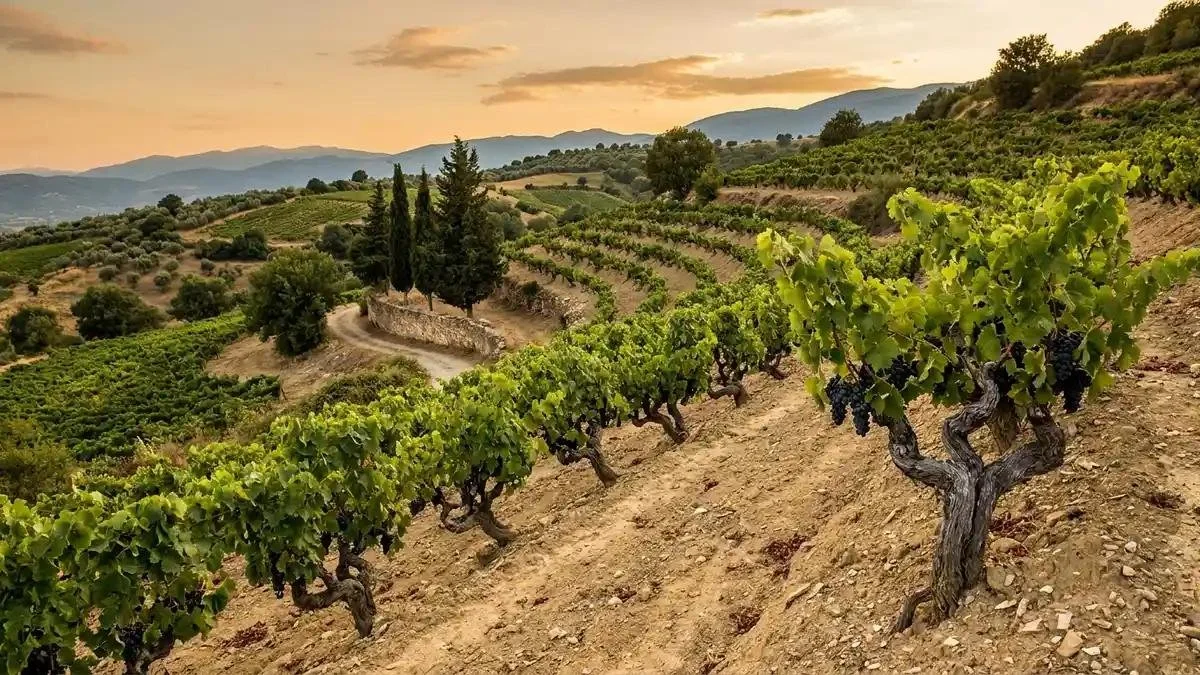
Across Thrace, the Balkans, the Aegean, Cyprus, Türkiye, the Caucasus and Lebanon, winemakers are working with their own indigenous grapes, old vineyards and distinctive landscapes. Some are reviving traditions that were almost forgotten. Others are combining heritage with contemporary winemaking and new ideas about how their wines can travel.
Wine in a changing climate
The region also offers an important perspective on one of the biggest questions facing wine today: how do we adapt?
Heat, drought and extreme weather are already changing the way wine is made across the Mediterranean and beyond. At the same time, high-altitude vineyards, diverse soils, indigenous varieties and generations of local knowledge offer valuable possibilities for adaptation.
What can we learn from vineyards in the mountains of Northern Greece, the islands of the Aegean, the Balkans or the Caucasus? How are growers working with water, soils and biodiversity? And how can traditional knowledge and new technology work together?
These are not only Greek questions. They are questions for the whole wine world.
From discovery to international recognition
There is also a bigger business story.
Greek wine is increasingly finding its way into international markets, with exports reaching around €98 million in 2024. The United States, Canada, Germany and the United Kingdom are among its important markets, while producers across the country are building recognition around quality, identity and a strong sense of place.
The same ambition can be seen across neighbouring wine regions.
For smaller and emerging wine countries, the challenge is not simply to produce good wine. It is to build a distinctive identity, reach the right markets and create lasting relationships with educators, sommeliers, media and consumers.
That is where connection matters.
The women shaping the region
We want to bring together women who are shaping wine across this part of the world: winemakers and vineyard owners, educators and sommeliers, importers or distributors, hospitality professionals, journalists, communicators and entrepreneurs.
Some will come from Greece. Others from Bulgaria, Albania, North Macedonia, Cyprus, Türkiye, Azerbaijan, Armenia, Georgia, and across the wider Balkans and eastern Mediterranean. And they will meet women from our international WIWE community, from Europe, Scandinavia, the U.S. and beyond, bringing perspectives and experiences from East to West.
We want to talk about indigenous varieties, climate adaptation, international markets, gastronomy, wine tourism and the future of wine. But above all, we want to create a space where women can meet one another, exchange ideas and build relationships that continue long after the three days in Thessaloniki.
Because borders may divide wine regions on a map. Wine, history, culture and people have always travelled beyond them. Thessaloniki will be our meeting point. The Aegean will be our inspiration. And the conversation will stretch from East to West.