Women shaping the Aegean
From ancient wine traditions to a new generation of winemakers, the Aegean is home to a rich and evolving wine culture. In this series, we meet the women shaping its future, exploring their connection to the land, their ambitions and the challenges transforming the world of wine.
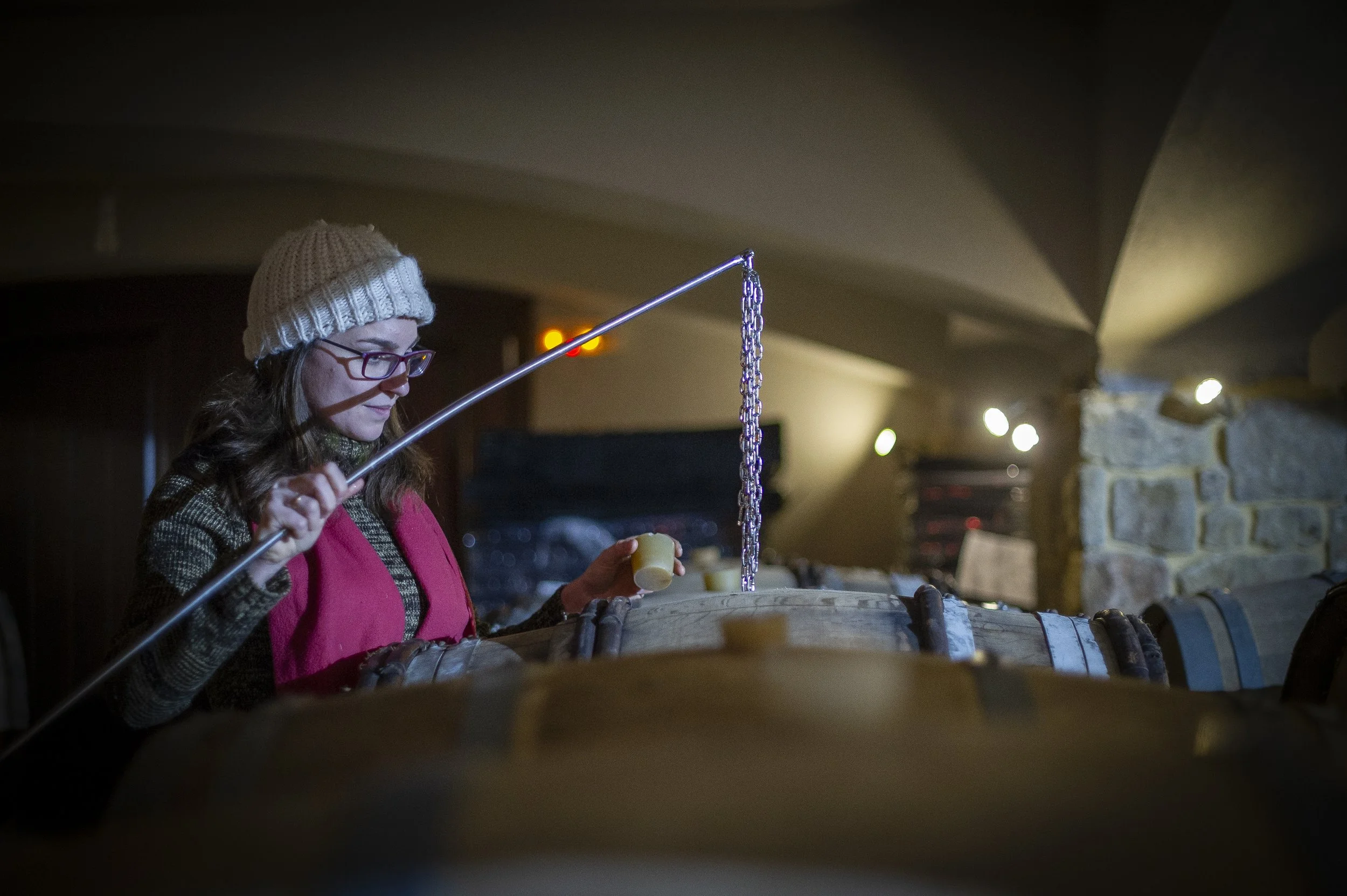
Ria Kioutsoukis: ‘Nature is the true winemaker’
For Ria Kioutsoukis, winemaking is an art that begins with understanding and respecting nature. Inspired by her father’s practical wisdom and the natural farming philosophy of Masanobu Fukuoka, she champions biodiversity and low-intervention winemaking. But her journey has not been without obstacles: having faced sexism and the dismissal of her ideas early in her career, she continues to challenge expectations while pursuing wines that express both the character of her region and her own philosophy.
Ria, tell us a little about yourself and how wine became part of your story.
Driven by my passion for nature and wine, I studied agronomy and went on to earn a master’s degree in oenology. Since 2015, I have worked full-time at the winery, where I am responsible for the vineyards. I have also continued to expand my knowledge of wine through PhD research. Ever since I was little, I remember harvesting grapes from our small vineyard every September and making wine for the year ahead. It was always a big celebration at home. Friends would come to help us, and we would give them wine as a gift. With those memories in mind, I could not imagine a better profession for myself than winemaking.
What does the Aegean mean to you - personally and professionally?
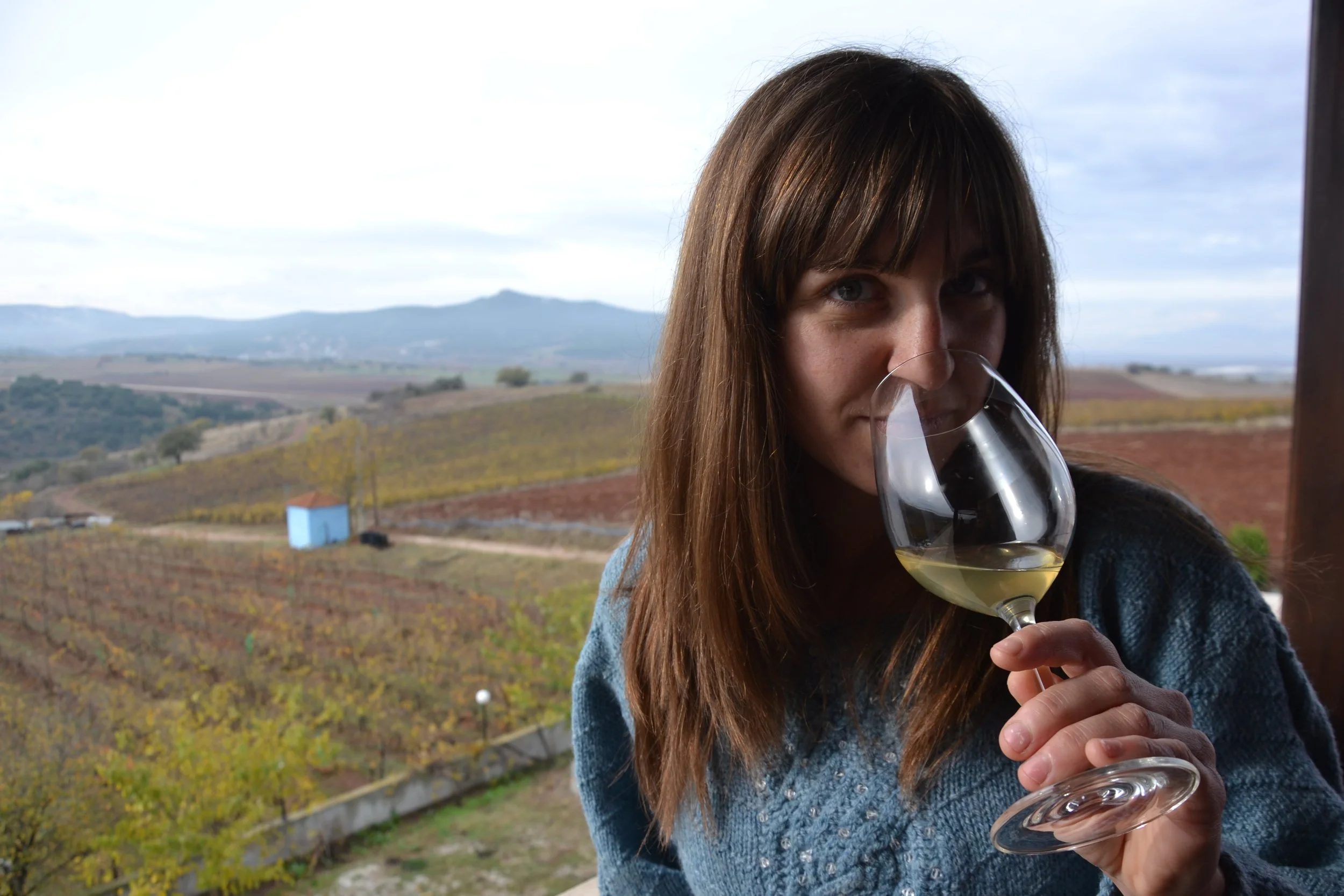
The Aegean Sea shapes Greece’s climate and, consequently, the climate of our region. Professionally, it plays a major role in our wines because, as we all know, nature is the true winemaker. We humans are simply her assistants. Personally, I see the Aegean as a symbol of freedom, human connection and communication. Since antiquity, it has connected different civilisations.
What makes the wines of your region special, in your eyes?
We are incredibly fortunate to be surrounded by a unique landscape, with 200 hectares of public land used exclusively by local shepherds to graze their animals. This means our vineyards are not exposed to nearby agricultural spraying with pesticides or fungicides. What makes our region particularly special is its rich biodiversity. The natural environment remains almost untouched, allowing the ecosystem to thrive. This gives me a sense of freedom and helps me work in harmony with nature. I believe this close relationship with our surroundings is reflected in the quality and character of our grapes.
What is changing in the wine world around you right now and what excites you most about that change?
I am greatly inspired by the fact that people are increasingly seeking honest, authentic wines. Although global wine consumption is declining, consumers are becoming more mindful of the entire winemaking process, from vineyard management to vinification. For me, this presents a real challenge: producing high-quality wines with minimal intervention. I want to make wines that express their origins while respecting the natural processes that make each vintage unique.
What is one thing about your region, its wines or its people that you wish more people outside the region understood?
We are the only winery in the region. Above all, I would like more people to discover and appreciate our natural environment. Its rich biodiversity and relatively untouched landscape are an essential part of what makes this place special and deserve to be better known.
What does being a woman in wine mean to you today? Has that changed since you started?
Being a woman in wine means breaking stereotypes and striving for equality in a traditionally male-dominated world. Early in my career, I experienced a great deal of sexism. My male Greek colleagues often mocked or dismissed my ideas about winemaking. My vision was to produce low-intervention wines and embrace natural farming techniques. Today, this philosophy is celebrated by winemakers around the world, yet those who doubted me have never apologised or acknowledged that I was right. Even now, I still find myself having to prove my worth, although thankfully not as intensely as in the past. These experiences have made me more determined to deepen my knowledge and stay true to my convictions. I believe that a winemaker’s work should be judged by the quality of the wines and the integrity of the approach, not by gender.
Who or what has influenced you most along your journey?
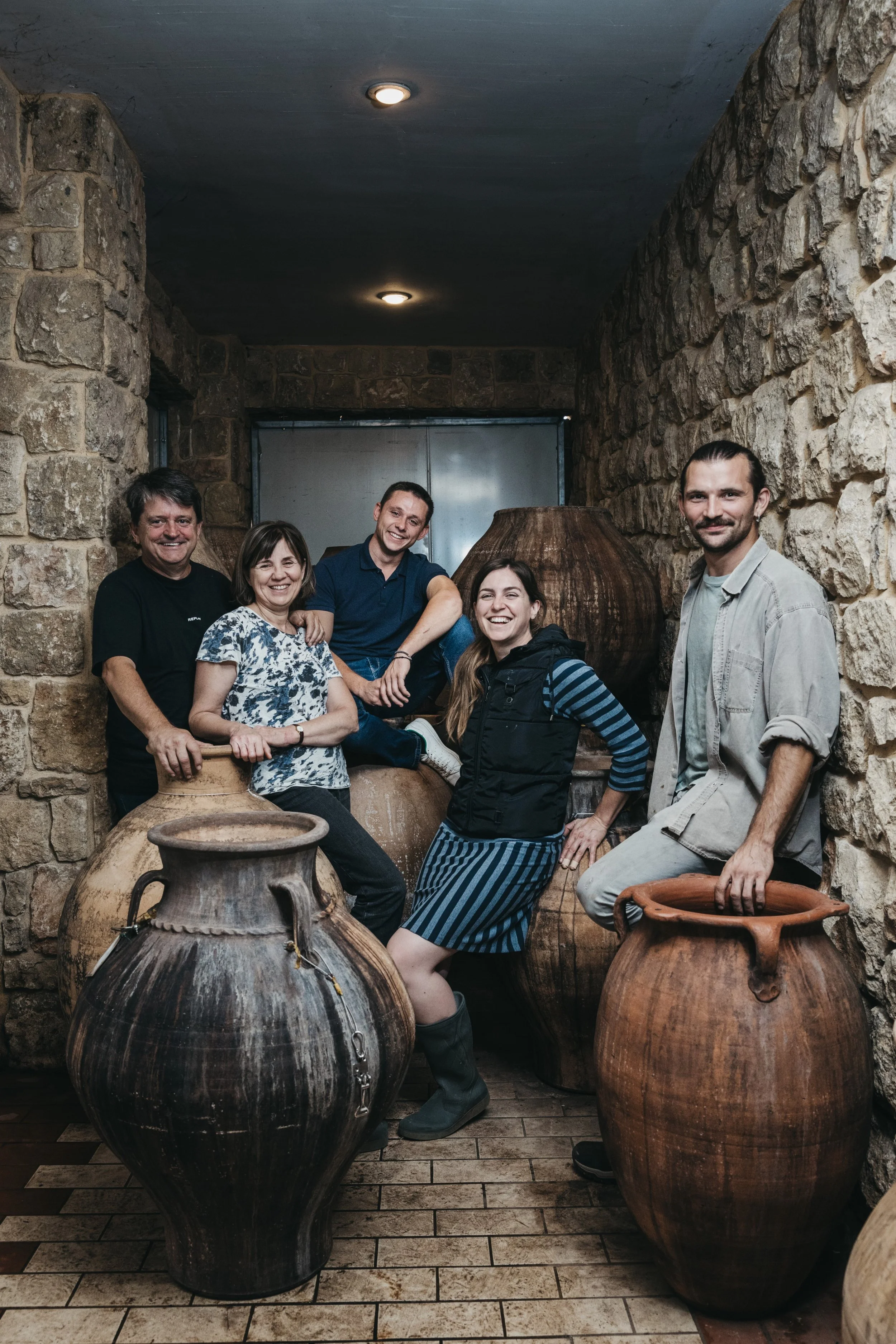
My father taught me everything I know about winemaking. He showed me how to taste grapes directly in the vineyard to assess their ripeness and aromatic potential. He also taught me how to work with different vessels, including amphorae, barrels and stainless-steel tanks, and how to choose the right vessel at each stage of vinification to create wines that reflect my own personality and taste. Most importantly, he taught me that making great wine is an art. Nature is our best partner, providing us with the finest raw materials, which are beautifully different every year. In viticulture, my greatest inspiration has been Masanobu Fukuoka, the pioneer of natural farming. His book The One-Straw Revolution profoundly influenced my understanding of nature and its rhythms. It taught me not to force nature in the wrong direction, but to work alongside it, respect every living creature and recognise that everything has a purpose. Too often, it is humans who are wrong, not nature. This philosophy now shapes my approach to viticulture.
What is one idea, project or ambition you would love to see become reality in the wine world?
I would love to see winemakers share their knowledge more openly and build a stronger, more united community. We can learn so much from one another, and sharing our experiences can help all of us improve our craft and develop a deeper understanding of wine.
If you could open one bottle with anyone in the world - living or dead - who would it be, and why?
I would love to share a bottle of wine with Lalou Bize-Leroy. I deeply admire her work and would love to learn more about her winemaking philosophy. I would be fascinated to hear how she approaches her craft and what I might learn from her to develop my own.
And finally: what are three things we should definitely know about you, other than wine?
I enjoy painting and cultivating my dream of a secret garden in my free time. I am also passionate about hiking and exploring nature, always looking for new things to discover and learn about the world around me.