
Beyond Assyrtiko:
Five Greek Grapes to Discover and the Women Bringing Them to Life
Greece's wine story extends far beyond its most famous white grape. Meet five indigenous varieties and the women helping to shape their future, from the volcanic landscapes of Santorini to the mountain vineyards of Crete.
Ask international wine lovers to name a Greek grape variety and Assyrtiko is likely to be near the top of the list. Its vibrant acidity, mineral character and association with Santorini have helped put Greek wine on the international map. But Assyrtiko is only the beginning. Across Greece, indigenous grape varieties tell stories of local landscapes, agricultural traditions and people determined to give their region's wines a distinctive voice. Some varieties are enjoying a revival; others remain relatively unfamiliar beyond their home regions.
Behind these wines are women working as winemakers, oenologists and winery founders, making decisions about what to grow, how to make the wine and which stories to share with the world. As the Women in Wine Expo prepares for its Aegean Edition in Thessaloniki in May 2027, we explore five grapes worth discovering - and the women whose work makes them particularly interesting.
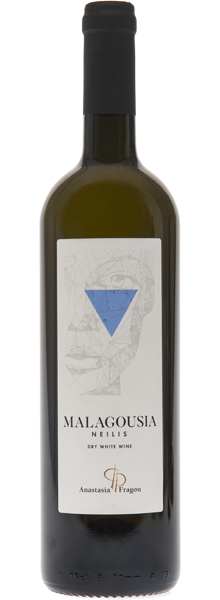
1. Malagousia: the grape of rediscovery
The wine: Malagousia, Anastasia Fragou Winery
The woman: Anastasia Fragou
The region: Attica, mainland Greece
Few Greek grapes illustrate the potential of rediscovery as clearly as Malagousia. Once at risk of disappearing from commercial cultivation, it has become one of Greece's most recognisable aromatic white varieties. Its appeal lies in its expressive character. Depending on the vineyard and winemaking approach, Malagousia can show aromas of peach, pear, citrus, jasmine and fresh herbs, often supported by a generous texture and refreshing acidity.
At Anastasia Fragou Winery in Attica, Anastasia Fragou has helped develop a family business with a strong focus on indigenous Greek varieties. Her winery produces a varietal Malagousia from vineyards around Pikermi, offering an opportunity to experience the grape beyond the better-known wine regions of northern Greece. For Fragou, the wider story is about giving local grapes the recognition they deserve. Rediscovering a variety is one thing; building a reputation for it among consumers is another.
Why try it?
Malagousia is an inviting starting point for anyone exploring Greek wine beyond Assyrtiko. Try it with seafood, grilled vegetables, fresh herbs or as an aromatic aperitif.
Explore the wine at Anastasia Fragou Winery.
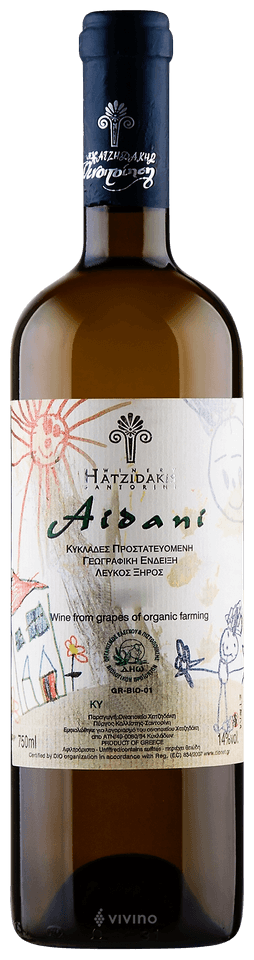
2. Aidani: another voice from Santorini
The wine: Aidani, Hatzidakis Winery
The women: Stella Papadimitriou and Helena Alevra
The region: Santorini, Cyclades
Santorini is synonymous with Assyrtiko, but the island's wine identity is more diverse than its most famous grape suggests. Aidani is another indigenous white variety that deserves a place in the conversation. Typically more floral and aromatic in expression than Assyrtiko, Aidani can bring softness and fragrance to a wine. It is used in blends, but it can also be bottled on its own, allowing drinkers to explore its individual character.
Hatzidakis Winery has played a role in bringing attention to this lesser-known variety. Its Aidani bottling is part of a wider exploration of Santorini's grape varieties and vineyard differences. The winery also has a compelling story of female leadership. Following the death of founder Haridimos Hatzidakis in 2017, his daughter Stella Papadimitriou took responsibility for continuing the family's work. Oenologist Helena Alevra is part of the winery's female-led winemaking team. Their work connects the preservation of a distinctive local wine identity with the practical challenge of carrying a winery into its next chapter.
Why try it?
Aidani offers a different perspective on Santorini, especially for drinkers who want to move beyond the island's signature grape. Look for a varietal bottling to appreciate the grape on its own terms.
Explore the producer at Hatzidakis Winery.
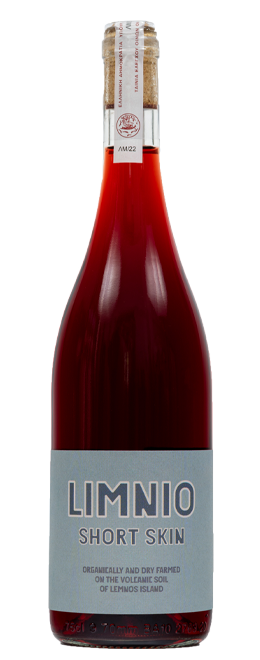
3. Limnio: a red grape rooted in the northern Aegean
The wine: Limnio Garalis
The woman: Maria Markaki
The region: Limnos, northern Aegean
On the island of Limnos, the red grape Limnio offers a reminder that the Aegean is not exclusively a world of white wines. Limnio is an indigenous Greek variety associated with the northern Aegean and grown in other parts of northern Greece as well. Its wines can show red-fruit character and herbal or savoury notes, although the precise expression depends on the vineyard, vintage and winemaking choices.
At Garalis Winery on Limnos, Maria Markaki and Manolis Garalis built a family winery around their ambition to produce and bottle their own wines. The estate makes several wines from Limnio, including Limnio Garalis, a varietal red. Markaki's role as co-founder places her within the story of a small island winery developing its own identity and reaching markets beyond Greece. Garalis has also explored mild-intervention winemaking, showing how a producer can work with local varieties in different ways without abandoning their regional roots. Limnio's appeal is not simply its history. It is the opportunity to encounter a red grape that expresses a less familiar part of Greece's wine landscape.
Why try it?
If you want to explore Greek reds beyond Agiorgitiko and Xinomavro, Limnio is a useful place to start. Pair it with grilled vegetables, Mediterranean dishes or simply enjoy it as an introduction to the island's wine culture.
Discover the wines at Garalis Winery.
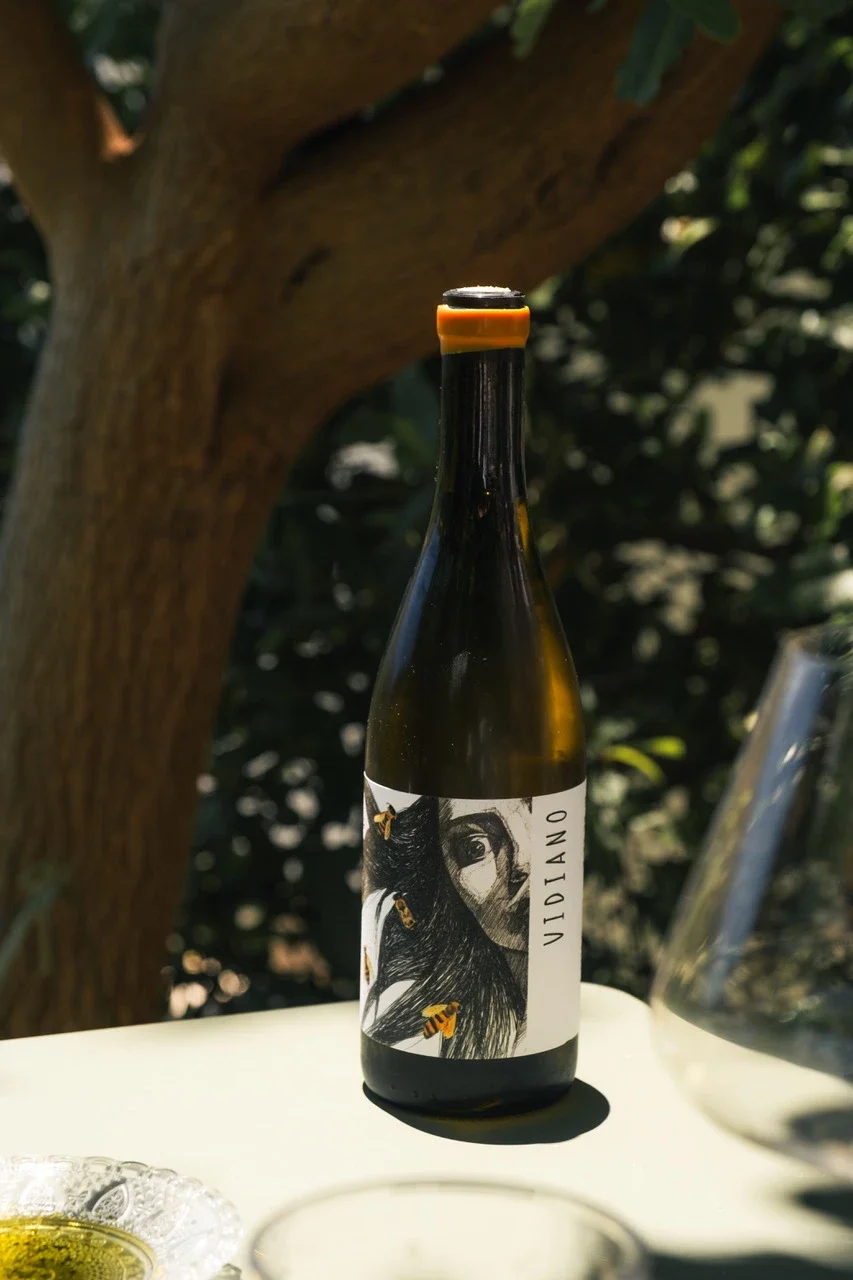
4. Vidiano: the evolving identity of Crete
The wine: Vidiano, Young Vines or Old Vines Amygdalos
The woman: Iliana Malihin
The region: Rethymno, Crete
Crete has a rich range of indigenous grape varieties, and Vidiano has emerged as one of its most interesting white grapes. It can produce wines with aromas of peach, apricot and herbs, often combining a rounded texture with freshness. The variety's expression changes with altitude, soil, vine age and winemaking, making it particularly interesting to explore through different vineyards.
Winemaker Iliana Malihin works with indigenous Cretan grapes and old mountain vineyards around Rethymno. Her range includes a Vidiano from younger vines and single-terroir bottlings from old vineyards. The latter come from vines reported to be around 90–140 years old.Working with old vineyards is not simply an exercise in nostalgia. Such sites can preserve genetic diversity and local agricultural knowledge, while offering producers an opportunity to explore how a variety expresses itself in a particular place. Malihin's work connects this heritage with a contemporary approach to winemaking, including minimal intervention and an emphasis on the character of the grapes and vineyards.
Why try it?
Compare a younger-vine Vidiano with an old-vine bottling if you can find both. It is an opportunity to explore how vineyard age and site can influence the same grape.
Discover her wines at Iliana Malihin Winery.
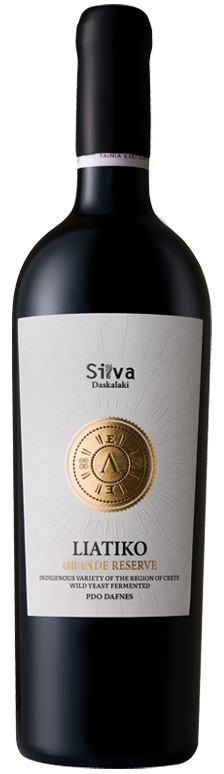
5. Liatiko: a different kind of Cretan red
The wine: Liatiko Grande Reserve
The woman: Eirini Daskalaki-Xenogiannaki
The region: Dafnes, Crete
Liatiko is another indigenous Cretan variety, but it tells a different story from the island's white grapes. An early-ripening red variety, it has a long local history and is used for both dry and sweet wines. Its character can be quite different from that of deeply coloured, heavily structured international reds. Depending on how it is grown and made, Liatiko can offer red and dried-fruit notes, herbs and spice, with a profile that rewards curiosity rather than preconceived expectations.
At Silva Wines, the Daskalaki family's winemaking tradition stretches back to 1920. Eirini Daskalaki-Xenogiannaki is the winery's winemaker and production manager. She has helped continue the family's work while applying contemporary techniques to the region's grapes. The winery produces dry and naturally sweet wines from Liatiko, reflecting the variety's versatility and its importance to the Dafnes wine region. Her story also illustrates something central to the future of Greek wine: innovation does not always mean replacing tradition. It can mean carrying inherited knowledge forward, testing new approaches and finding new audiences for local varieties.
Why try it?
Liatiko is worth exploring if you want to discover a less familiar style of Mediterranean red. It also makes a useful comparison with Limnio: two Greek red grapes, rooted in different landscapes and traditions.
Explore the range at Silva Wines.
Beyond the grape: the people shaping Greek wine
These five varieties are only a small sample of Greece's indigenous grape diversity. Moschofilero, Agiorgitiko, Savatiano, Xinomavro and many other grapes have their own regional histories and contemporary champions. What connects them is the opportunity they offer to producers: to express a particular place, preserve local agricultural heritage and create wines with an identity that cannot simply be reproduced elsewhere.
The women featured here occupy different positions in that story. Anastasia Fragou leads a family winery; Stella Papadimitriou continues her father's legacy alongside oenologist Helena Alevra; Maria Markaki co-founded Garalis Winery; Iliana Malihin works with old vineyards and indigenous varieties; and Eirini Daskalaki-Xenogiannaki carries a family wine tradition into the present. Their roles are not interchangeable, and neither are their wines. Together, however, they show the range of ways women contribute to the development and visibility of Greek wine.
There is no guarantee that every indigenous variety will become an international success. Recognition depends on many factors, from vineyard conditions and winemaking to distribution, pricing and consumer awareness. But diversity gives wine regions choices - and gives drinkers reasons to keep exploring. Assyrtiko may have opened the door for many international wine lovers. The next step is to discover what lies beyond it.
The WIWE Journey to Thessaloniki continues. The Women in Wine Expo’s seventh edition takes place in Thessaloniki, Greece, from 12 - 15 May 2027. Through its series Women in Wine Shaping the Aegean, WIWE explores the women, ideas and wines shaping the region's wine culture.
Women in Wine Expo. Connecting women in wine from East to West.